A Water-Energy-Food Nexus Approach to Revitalizing Nepal's Sacred River
The Bagmati River, sacred to millions in Nepal's Kathmandu Valley, is in a state of ecological crisis due to severe pollution from untreated sewage, industrial effluent, and solid waste. This degradation poses significant risks to public health, destroys aquatic ecosystems, and prevents the use of river water for agriculture, threatening the food security and livelihoods of the valley's burgeoning population.
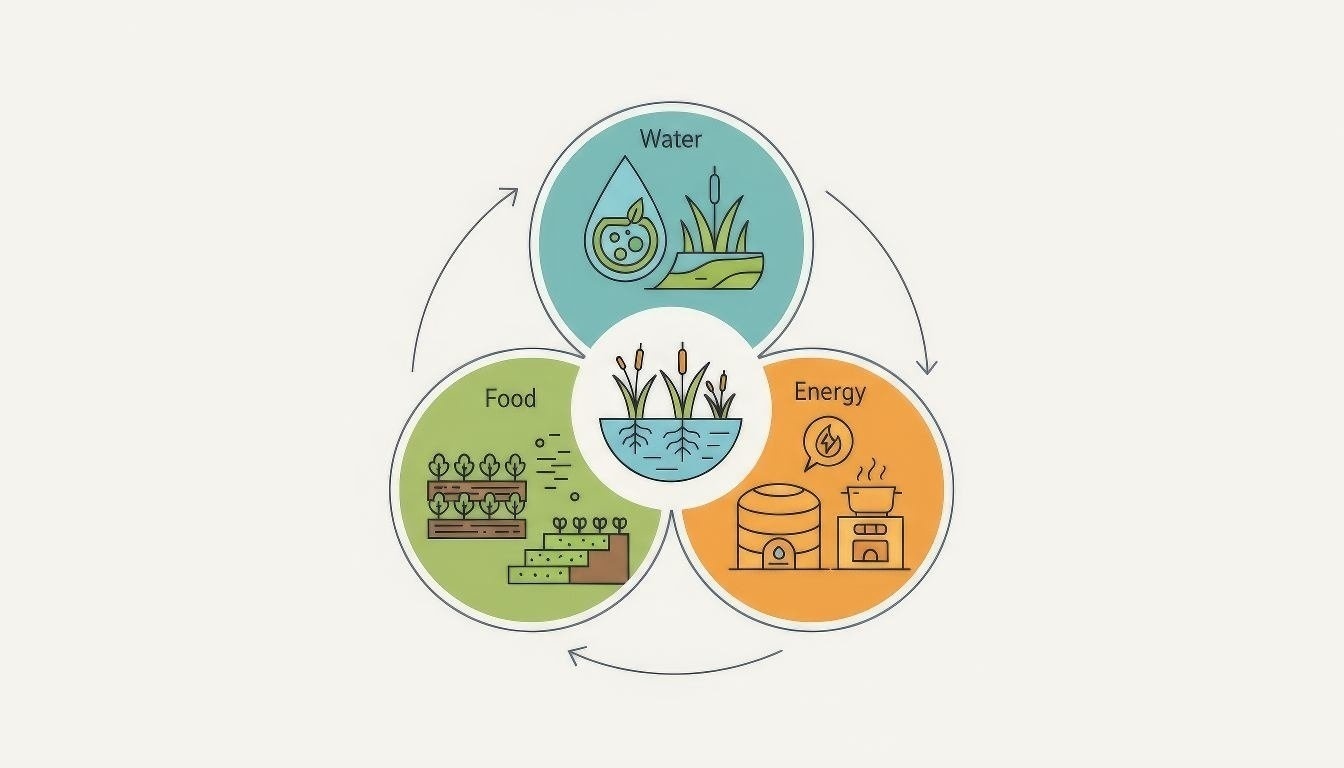
The Bagmati River Restoration Initiative proposes an innovative, scalable, and sustainable solution leveraging AquaSai's proven Multi-Stage Recirculating Constructed Wetland (MSR) technology. This project directly addresses the Water-Energy-Food (WE4F) nexus by:
Deploying a nature-based system to treat polluted river water, significantly improving water quality and enabling its safe reuse for agriculture and community needs.
Providing a reliable source of treated, nutrient-rich water for urban and peri-urban agriculture, enhancing food security and creating economic opportunities.
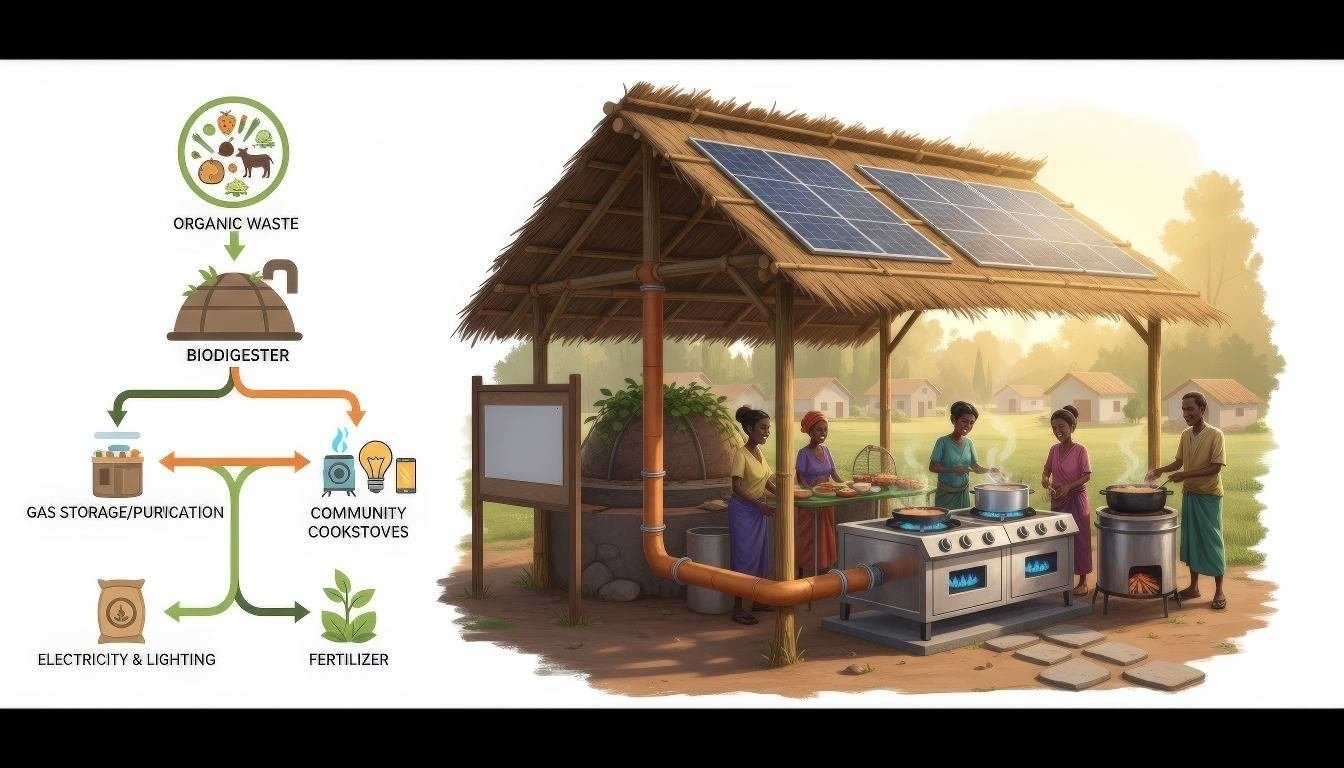
Harvesting biomass from the wetland's specially selected plants to generate biogas, providing a renewable energy source for local communities.
Our approach is unique in its integration of phytoremediation plants native to Nepal, including species with high value in Ayurvedic and traditional medicine, creating a circular economy. This initiative is designed as a scalable social enterprise, with a strong focus on empowering women and vulnerable communities through training, employment, and new livelihood creation.
We are seeking a grant of $200,000 to fund a pilot project that will serve as a replicable model for river restoration across Nepal and the wider South and Southeast Asia region.
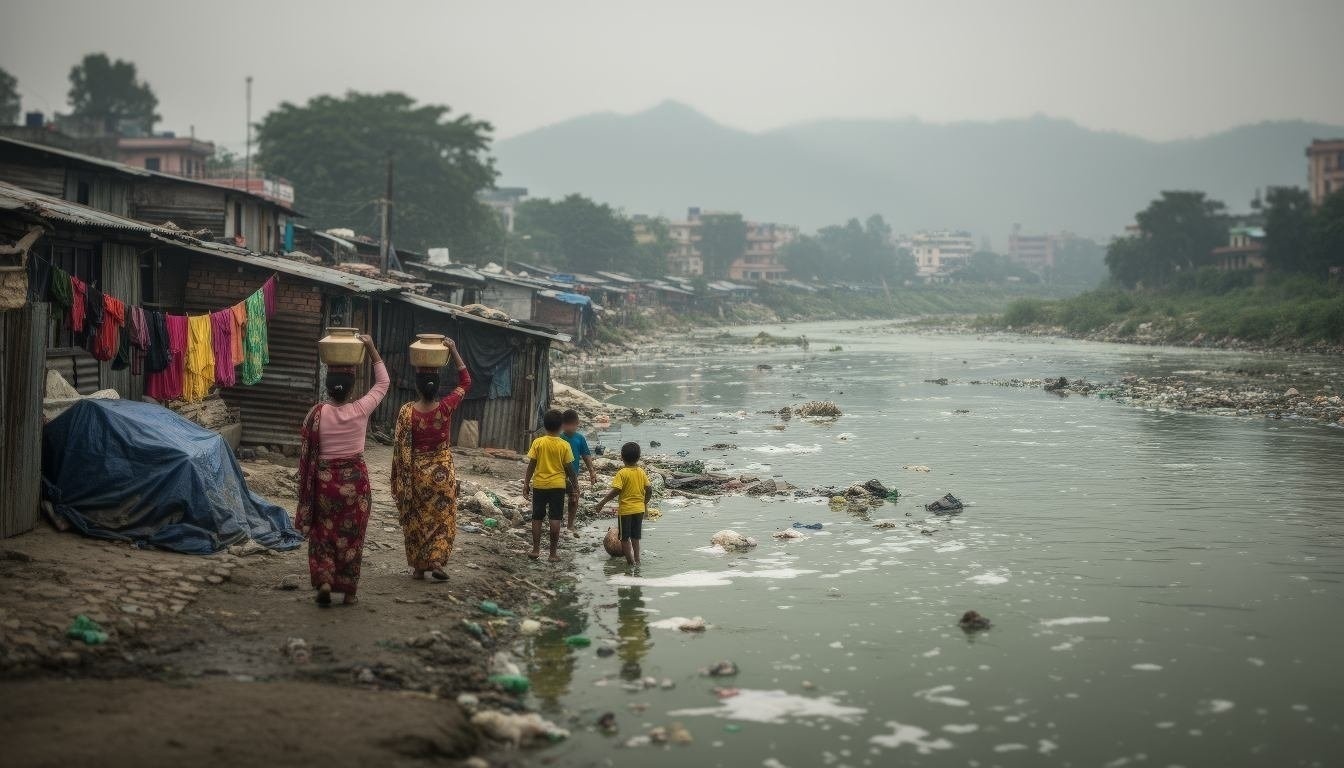
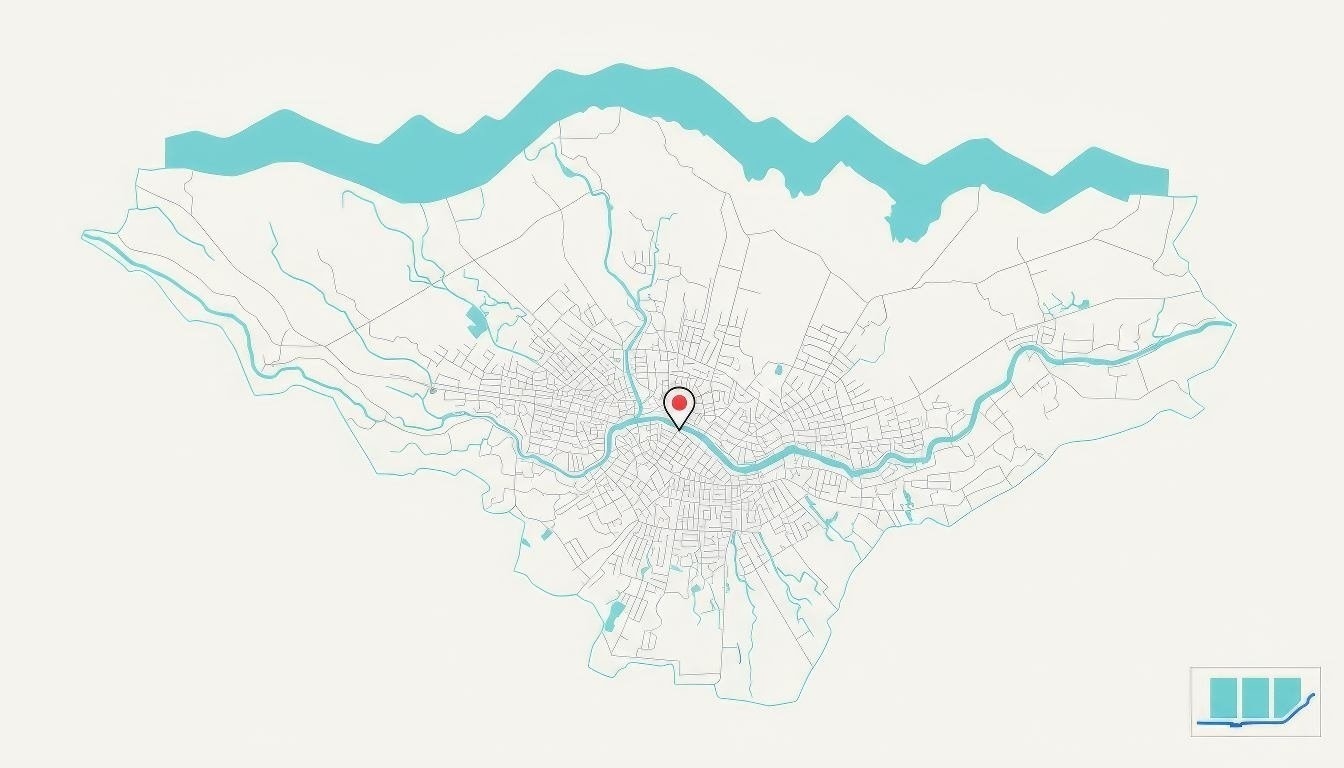
The Bagmati River is the lifeline of the Kathmandu Valley, yet it has become a de facto sewer. Decades of rapid, unplanned urbanization have overwhelmed the valley's sanitation infrastructure. Our research, supported by numerous scientific studies, confirms the critical state of the river:
Biochemical Oxygen Demand (BOD) levels frequently exceed 120 mg/L, far above the 6 mg/L standard for healthy aquatic life, indicating severe organic pollution.
Dissolved Oxygen (DO) levels are often near zero, rendering the river incapable of supporting fish or other aquatic species.
The river is contaminated with fecal coliform bacteria, heavy metals (such as lead, cadmium, and chromium), and high levels of nitrogen and phosphorus from agricultural runoff and sewage.
This crisis directly impacts the Base of the Pyramid (BoP) population. Farmers are forced to use contaminated water for irrigation, leading to tainted food supplies and health hazards. Local communities, particularly women who are often responsible for water collection and household agriculture, bear the brunt of waterborne diseases and economic hardship.
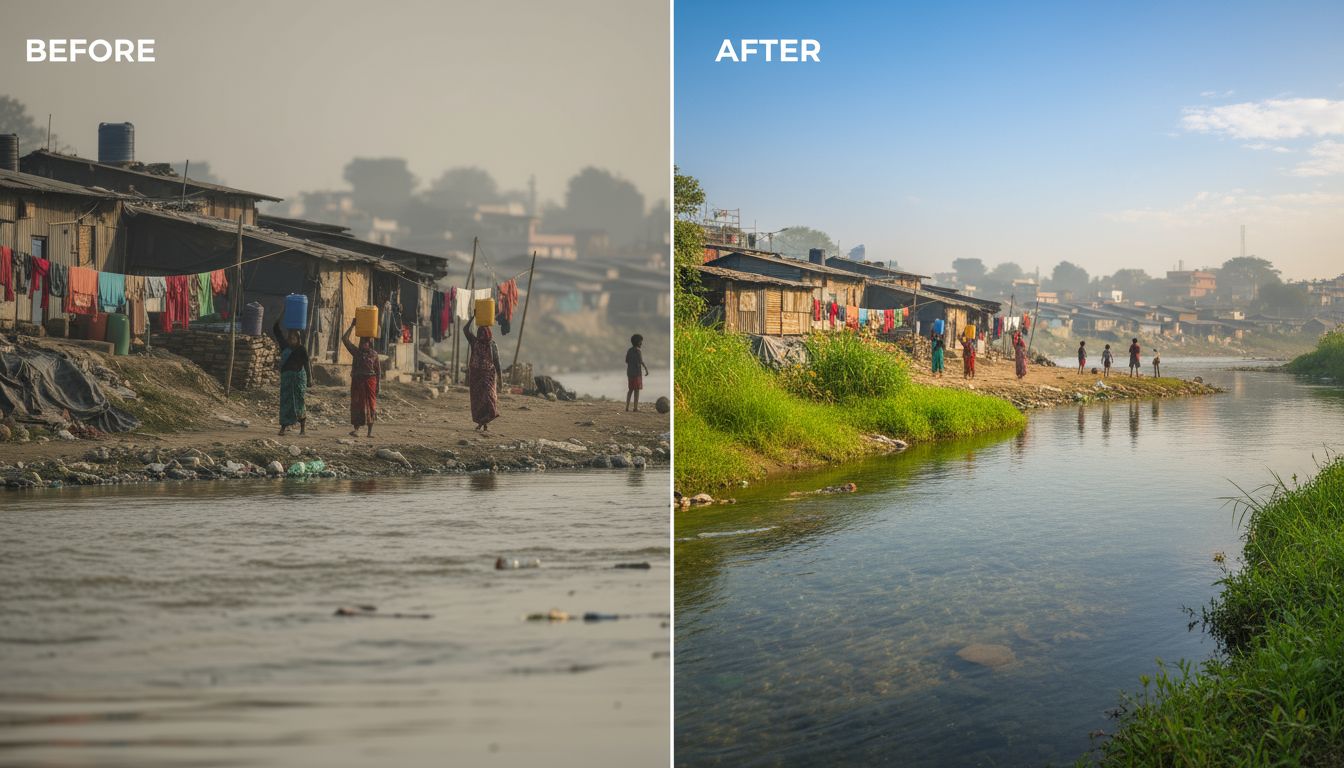

We propose a holistic solution centered on AquaSai's MSR technology—a decentralized, nature-based water treatment system that is cost-effective, energy-efficient, and simple to operate.
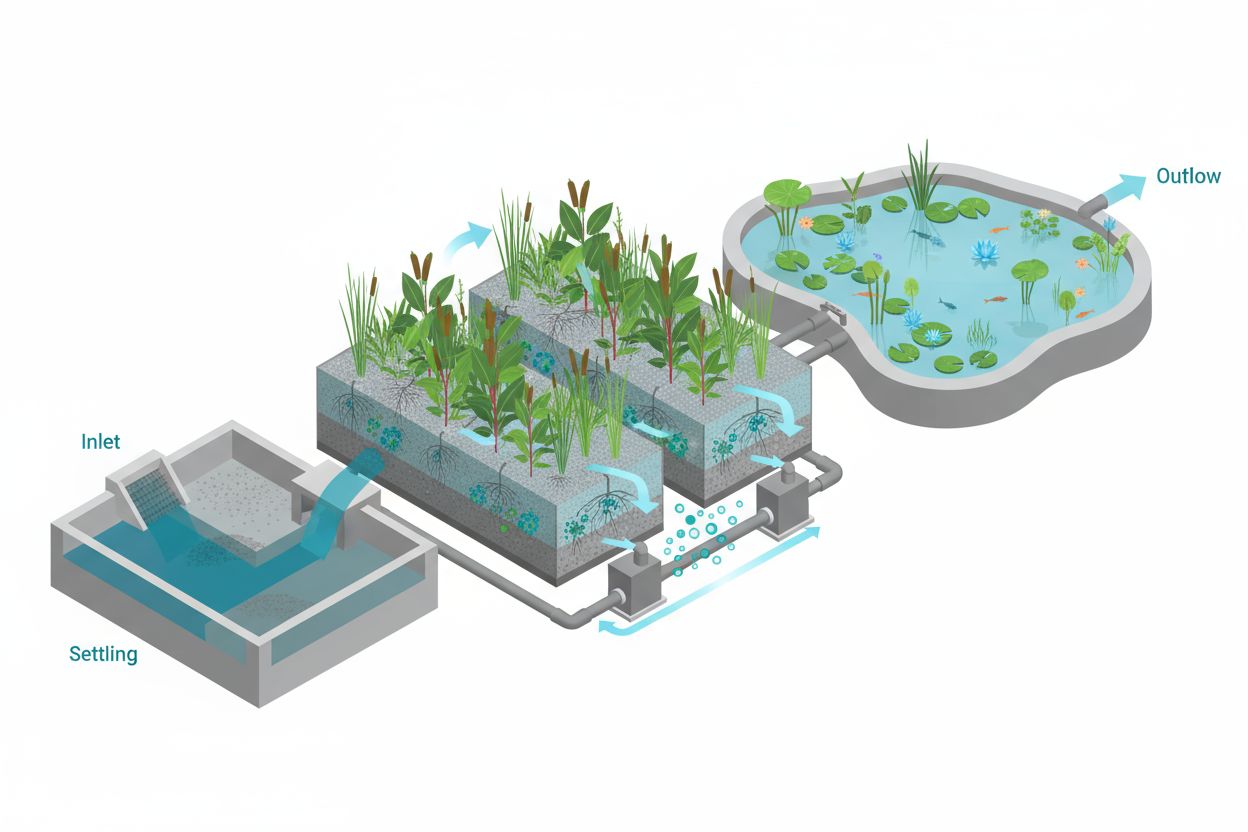
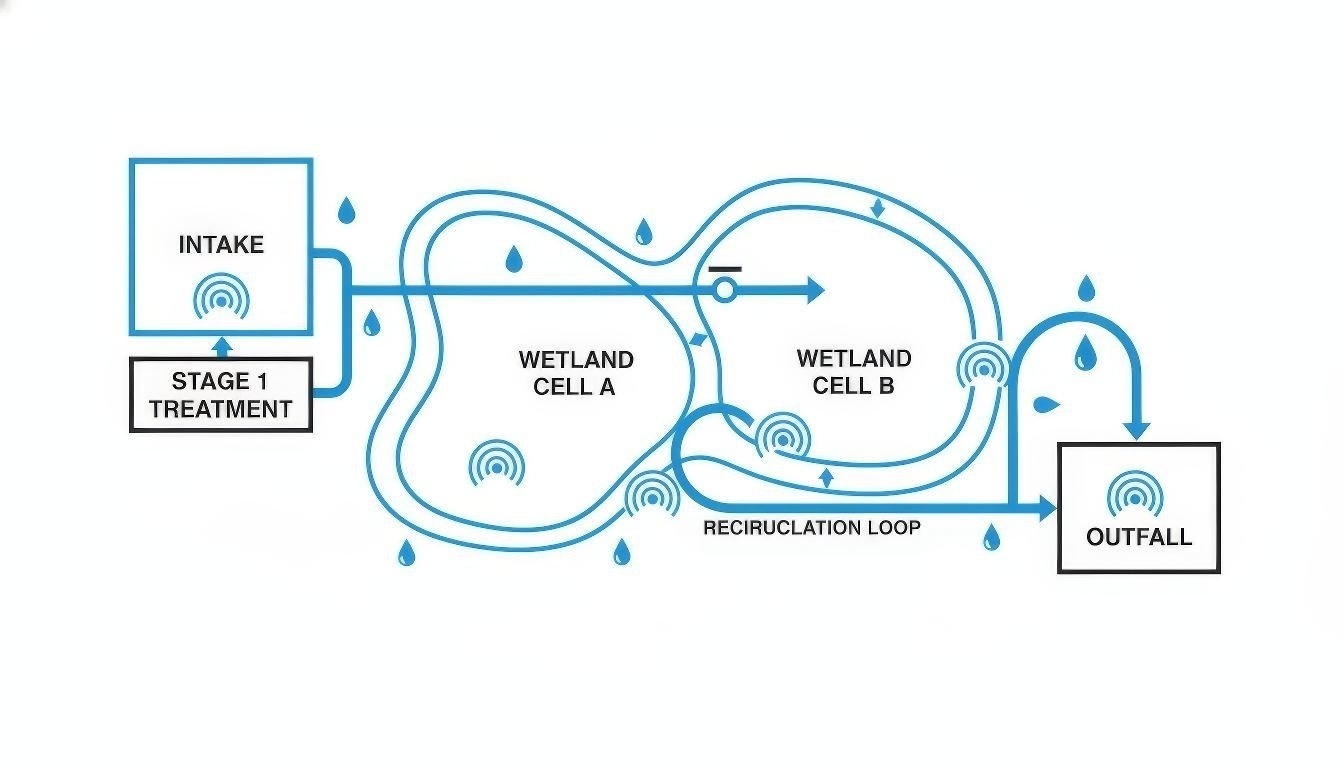
The pilot project will divert a controlled flow of water from a heavily polluted section of the Bagmati River into a constructed wetland. The system will consist of multiple stages:
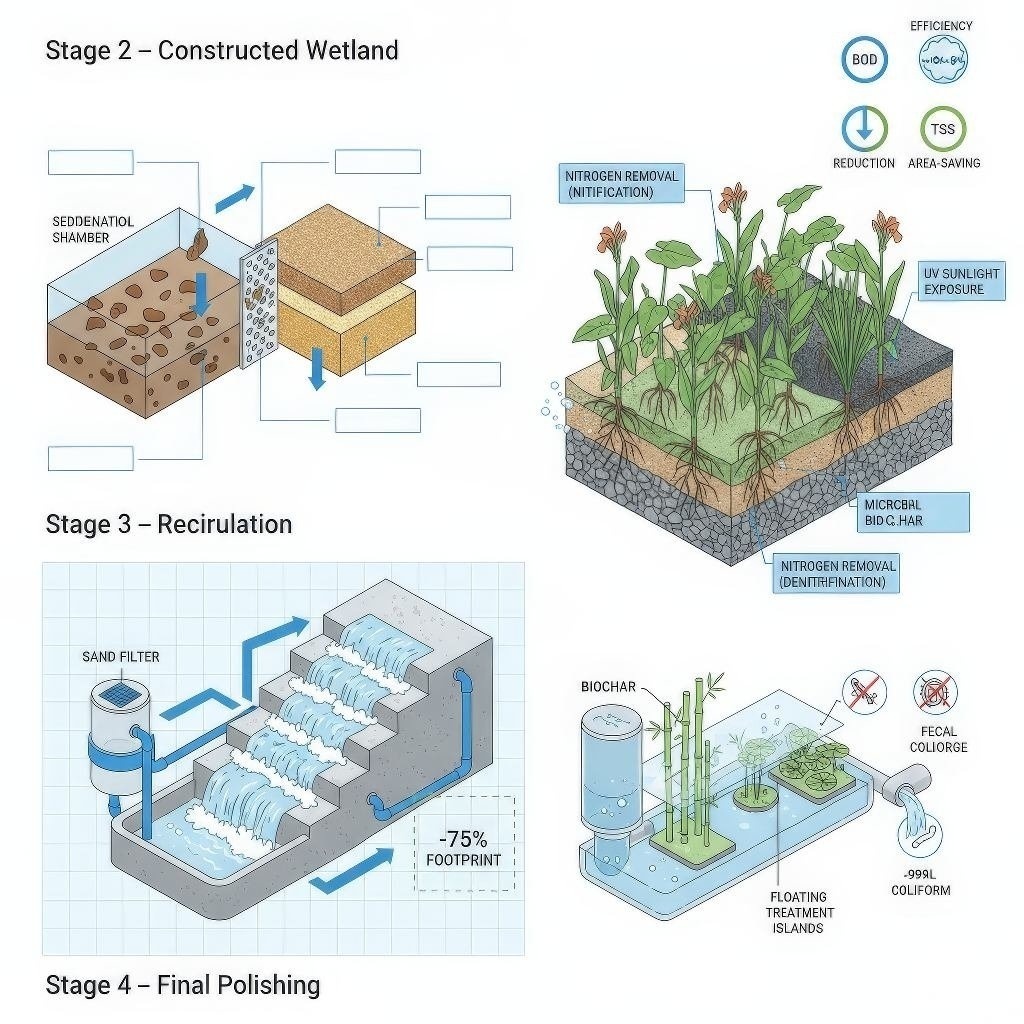
Removal of solid waste and large debris through a series of screens and a settling tank, preventing clogging in subsequent treatment stages.
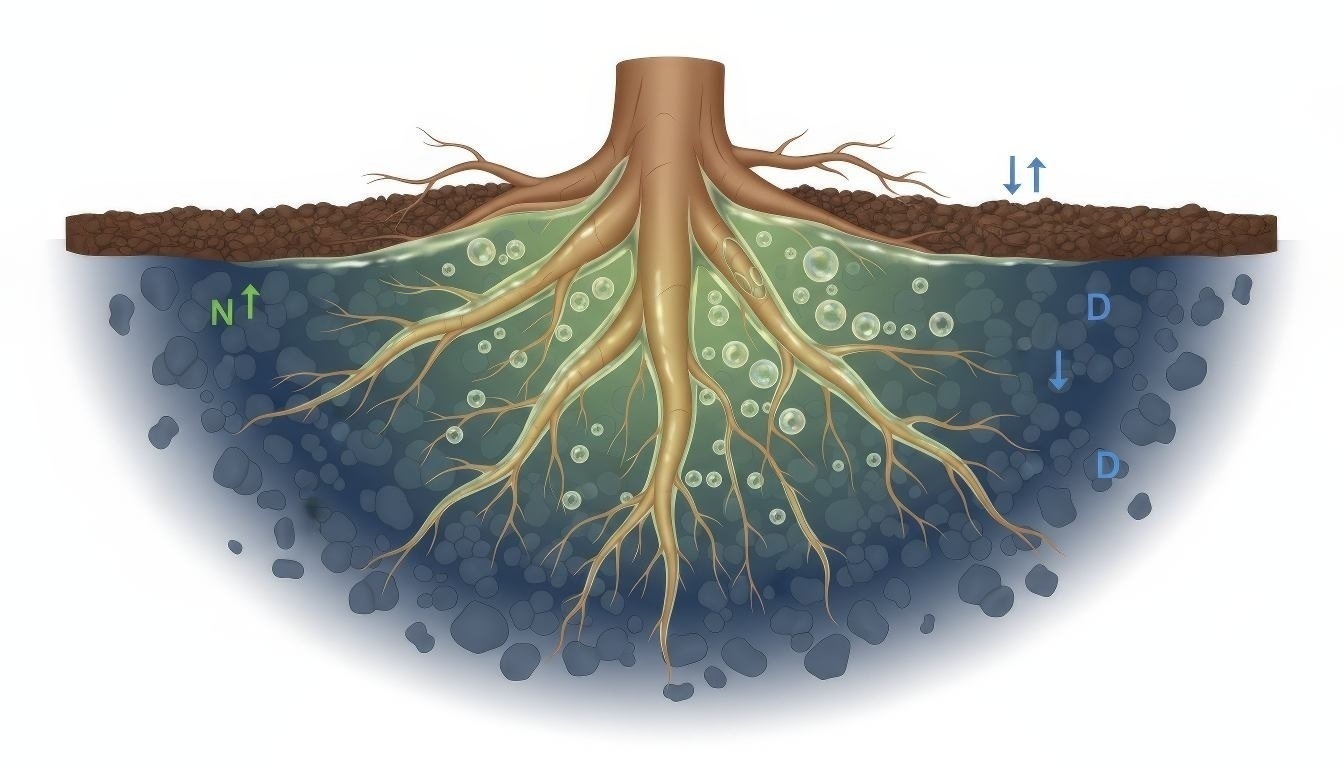
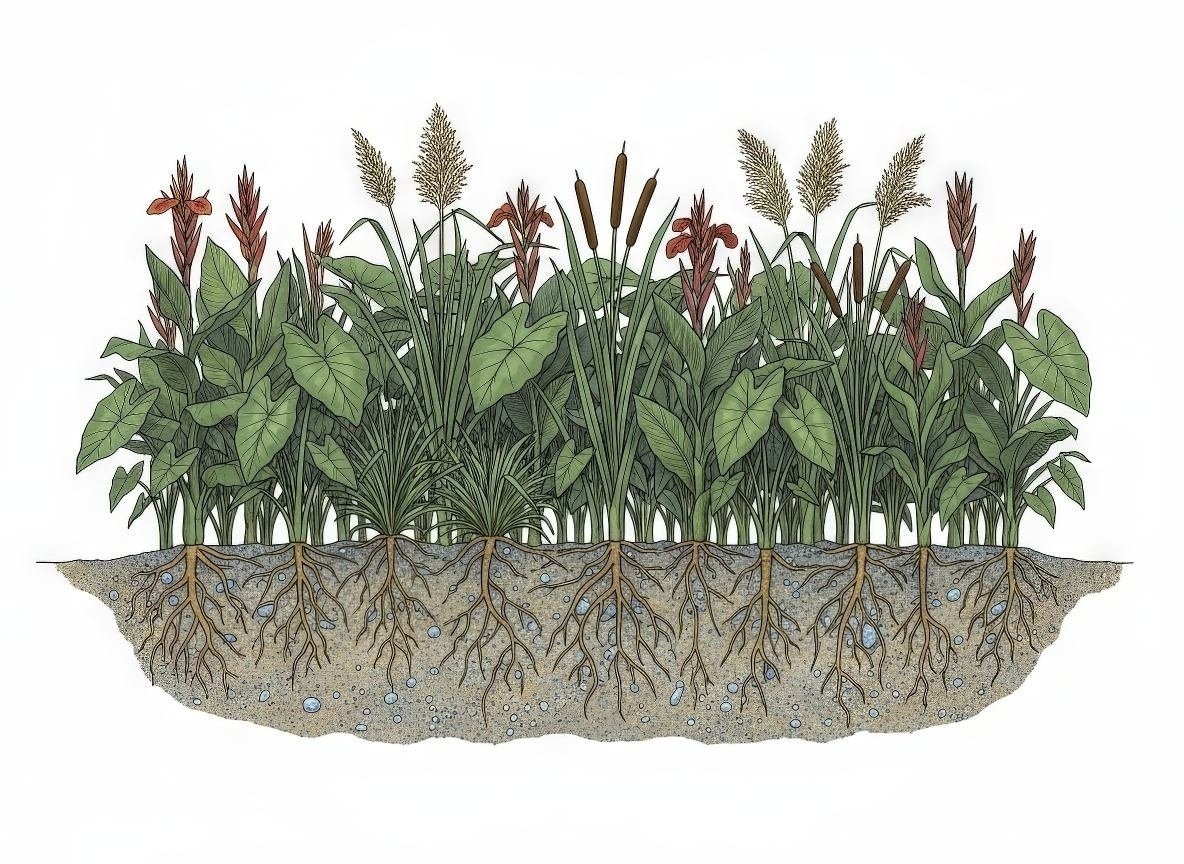
These beds are planted with a carefully selected polyculture of phytoremediation plants. A microbial biofilm develops on the roots and filter media, breaking down organic pollutants and pathogens.
Water is recirculated through the stages to enhance aeration and treatment efficiency, significantly increasing DO levels and reducing BOD and COD.
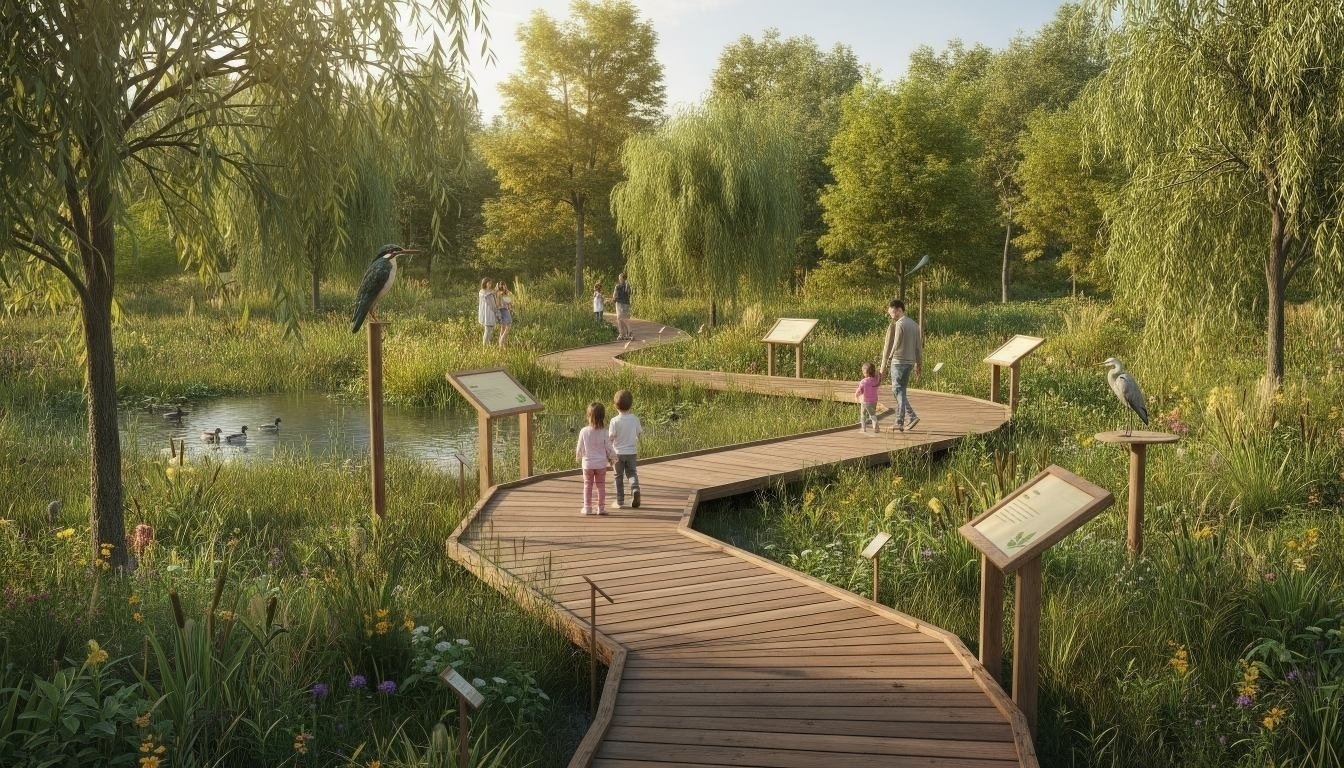
The final stage ensures the removal of remaining pathogens and nutrients before the clean water is discharged. This pond can support aquatic plants and potentially fish, demonstrating the restored ecosystem.
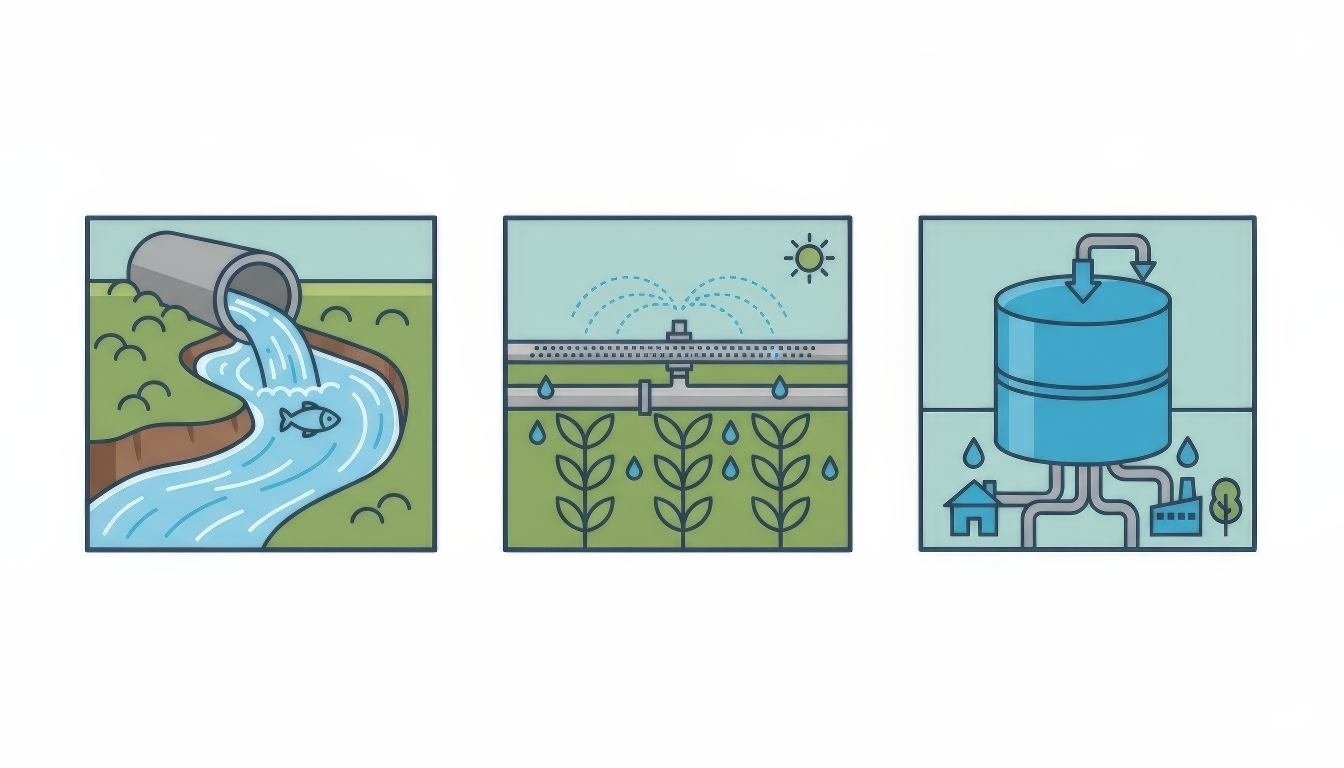
Treated water meeting Nepal's national standards for irrigation and safe agricultural use, ready to support sustainable farming in the Kathmandu Valley.
This project is fundamentally designed around the WE4F nexus:
The primary output is treated water that meets Nepal's national standards for irrigation. This will allow local farmers to cultivate safe, healthy produce, breaking the cycle of contamination.
The treated water, rich in plant-available nutrients like nitrogen and phosphorus, is ideal for agriculture. We will partner with local farming cooperatives to establish demonstration plots for high-value crops, promoting food security and increasing farmer incomes.
The wetland will be planted with fast-growing species like Napier grass and water hyacinth, alongside native medicinal plants. This biomass will be regularly harvested and fed into a community-scale anaerobic digester to produce biogas for cooking and lighting. The digestate (slurry) will be used as a high-quality organic fertilizer, closing the nutrient loop.

A key innovation of our project is the integration of plants from Ayurvedic, Tibetan, and Chinese traditional medicine that are native to Nepal and have known phytoremediation properties. Species like Acorus calamus (Sweet Flag) and Vetiveria zizanioides (Vetiver Grass) will not only help remove heavy metals and other toxins but also provide a source of valuable medicinal products, creating additional income streams for the community.
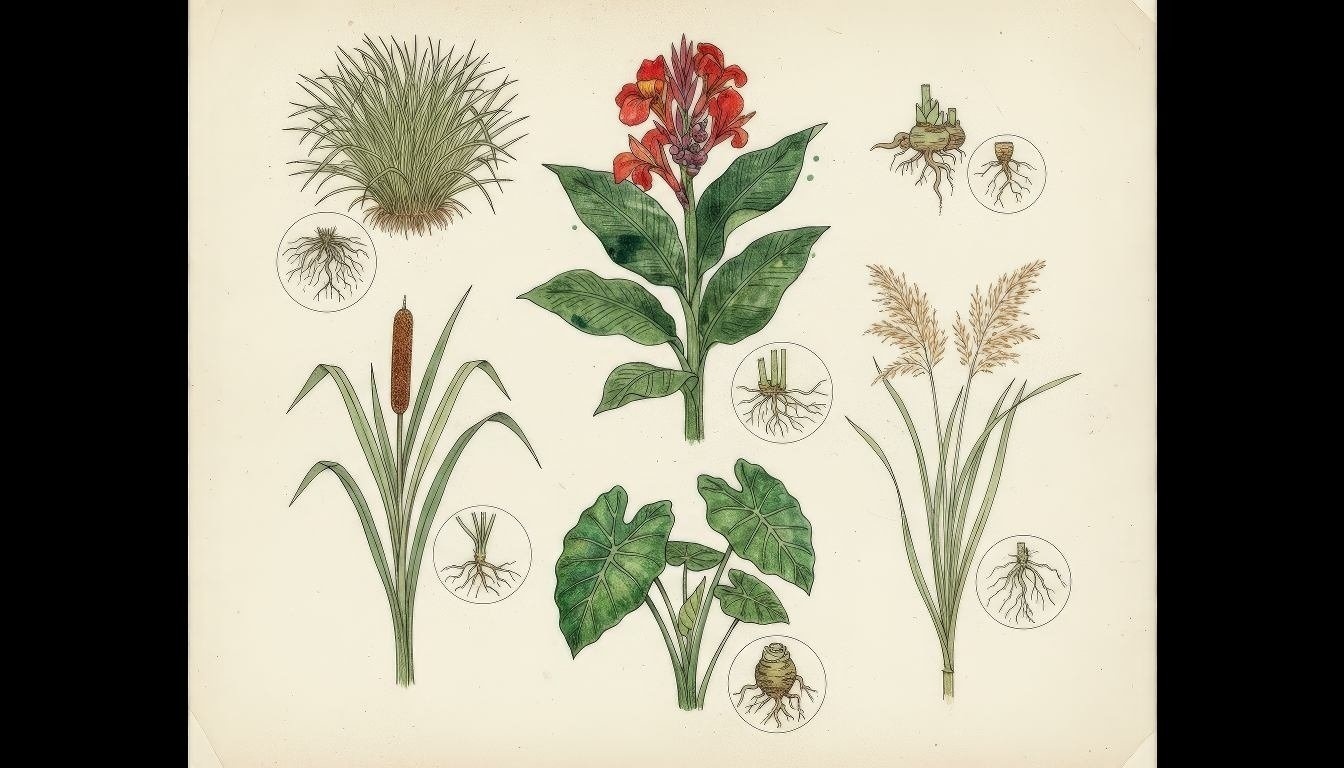
Five-species botanical plate
Diverse plant species for comprehensive phytoremediation.
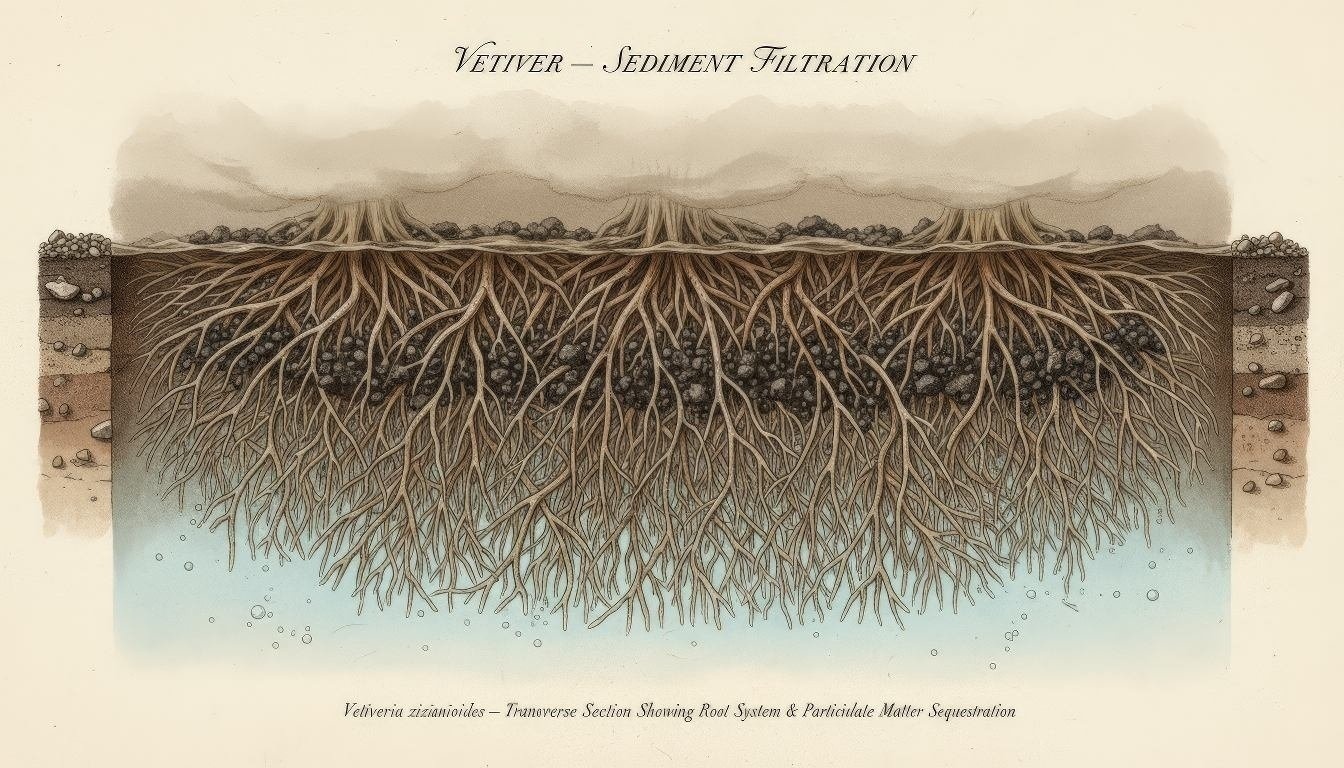
Vetiver Grass
Excellent for soil stabilization and removing pollutants from water.
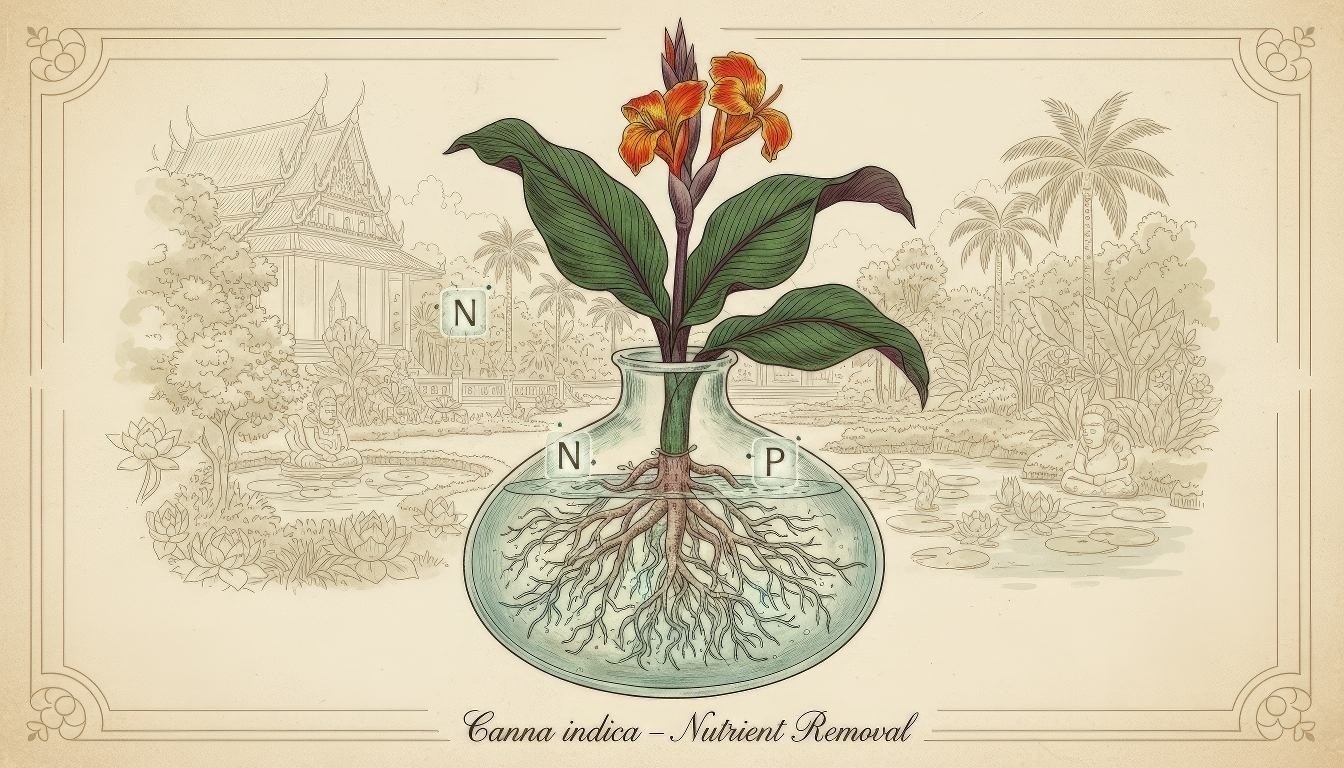
Canna Lily
High nutrient removal capacity and aesthetic value.
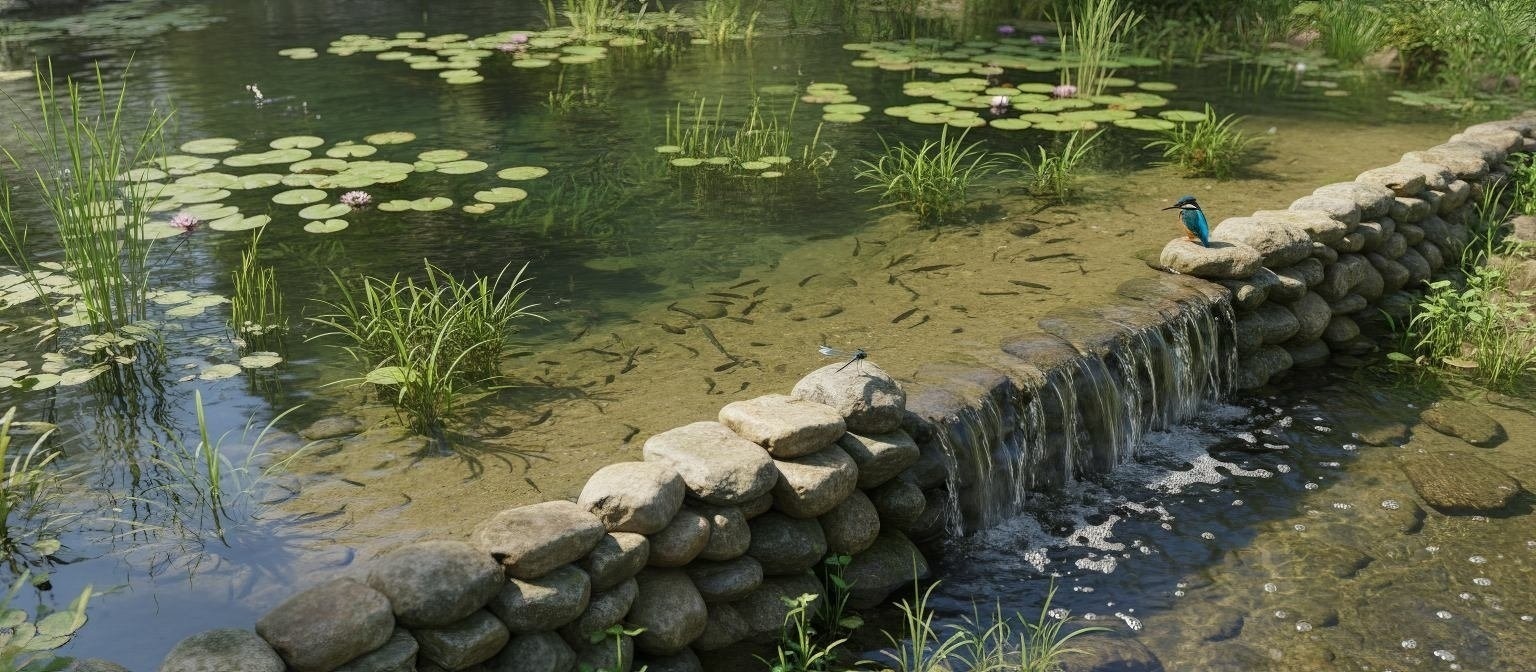
Mixed aquatic species
Final treatment stage with diverse aquatic flora.
The Bagmati River Restoration Initiative is an excellent fit for the WE4F Grand Challenge.
The project is based in Nepal, a priority country for the S/SEA Regional Innovation Hub.
AquaSai Technologies is a registered entity with a proven, scalable technology. This project represents the scaling of our innovative business model that combines environmental restoration with economic development.
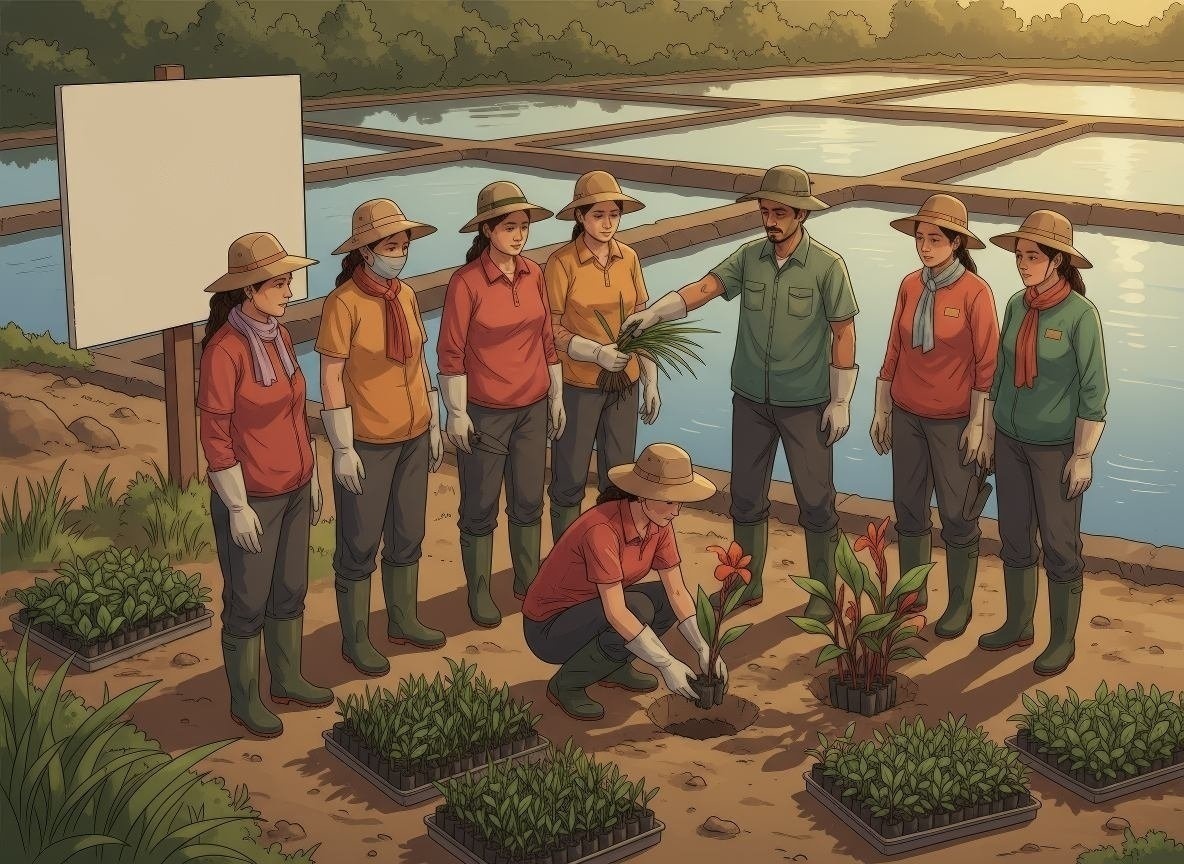
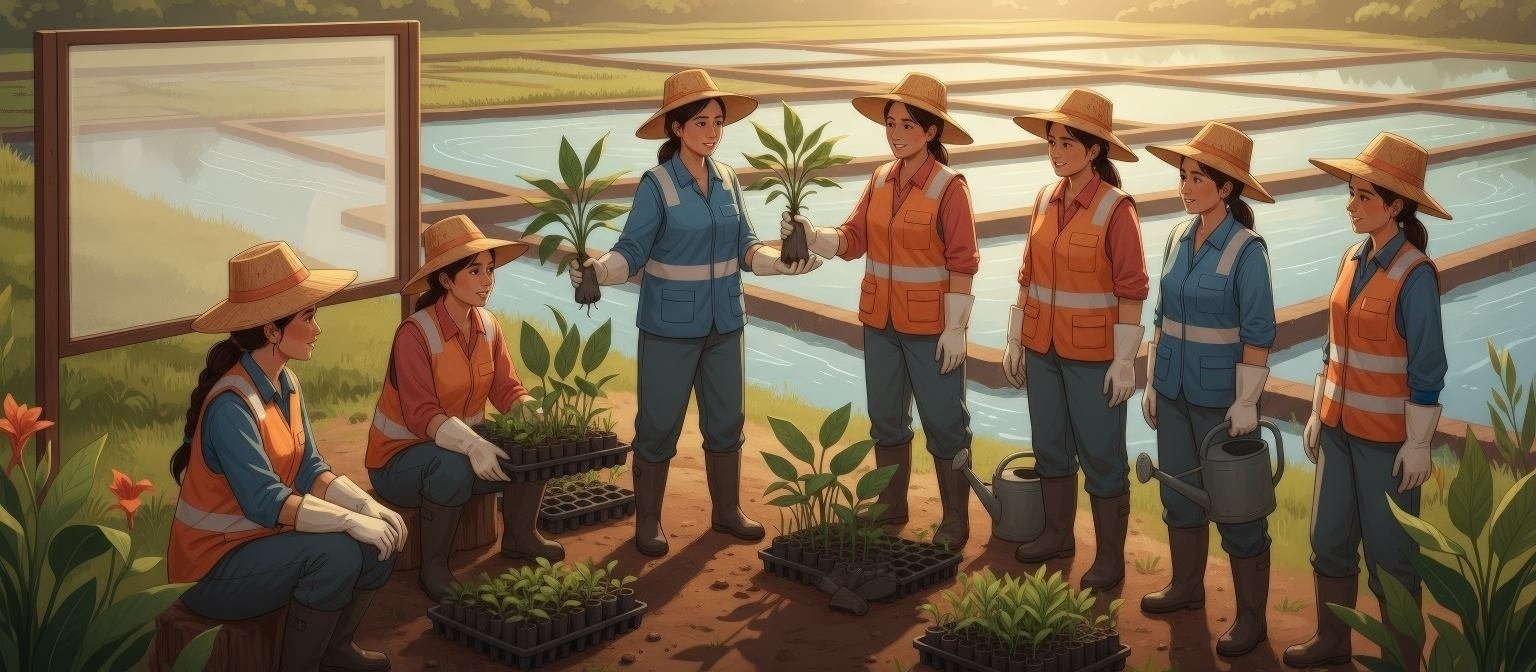
We are committed to ensuring that at least 50% of the jobs created through this project (in wetland maintenance, plant harvesting, and associated enterprises) are held by women. We will provide targeted training and support to empower women as environmental stewards and entrepreneurs.
The project directly benefits low-income farmers and communities along the Bagmati River by improving health outcomes, increasing food security, and creating new livelihoods.
By restoring a critical freshwater ecosystem, promoting a circular economy, and reducing reliance on fossil fuels (through biogas), the project builds local climate resilience and promotes biodiversity.
We have developed a detailed 24-month plan for the pilot project.

Site selection, community engagement, final design, permits
Earthworks, lining, installation of piping & pumps
Planting of wetland species, system testing, operational training
Full operation, water quality monitoring, biomass harvesting
Impact assessment, business model refinement, outreach
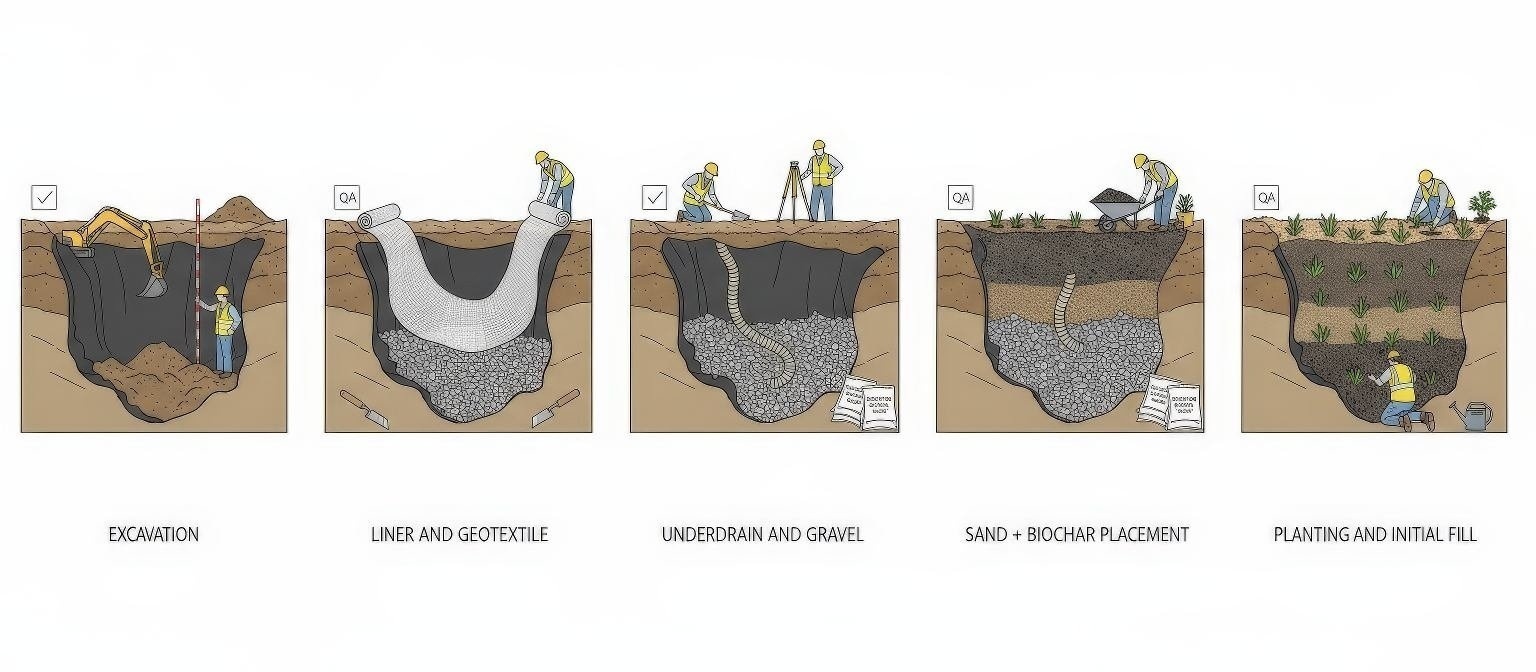
| Category | Estimated Cost (USD) |
|---|---|
| Capital Expenditures (CAPEX) | |
| - Construction & Civil Works | $85,000 |
| - Pumps, Piping, and Anaerobic Digester | $40,000 |
| Operational Expenditures (OPEX) | |
| - Personnel (Project Manager, Technicians) | $35,000 |
| - Plant Saplings & Consumables | $10,000 |
| - Community Training & Workshops | $10,000 |
| - Monitoring, Evaluation & Reporting | $10,000 |
| - Contingency (10%) | $10,000 |
| Total | $200,000 |
A detailed budget and Gantt chart are available in the appendix.
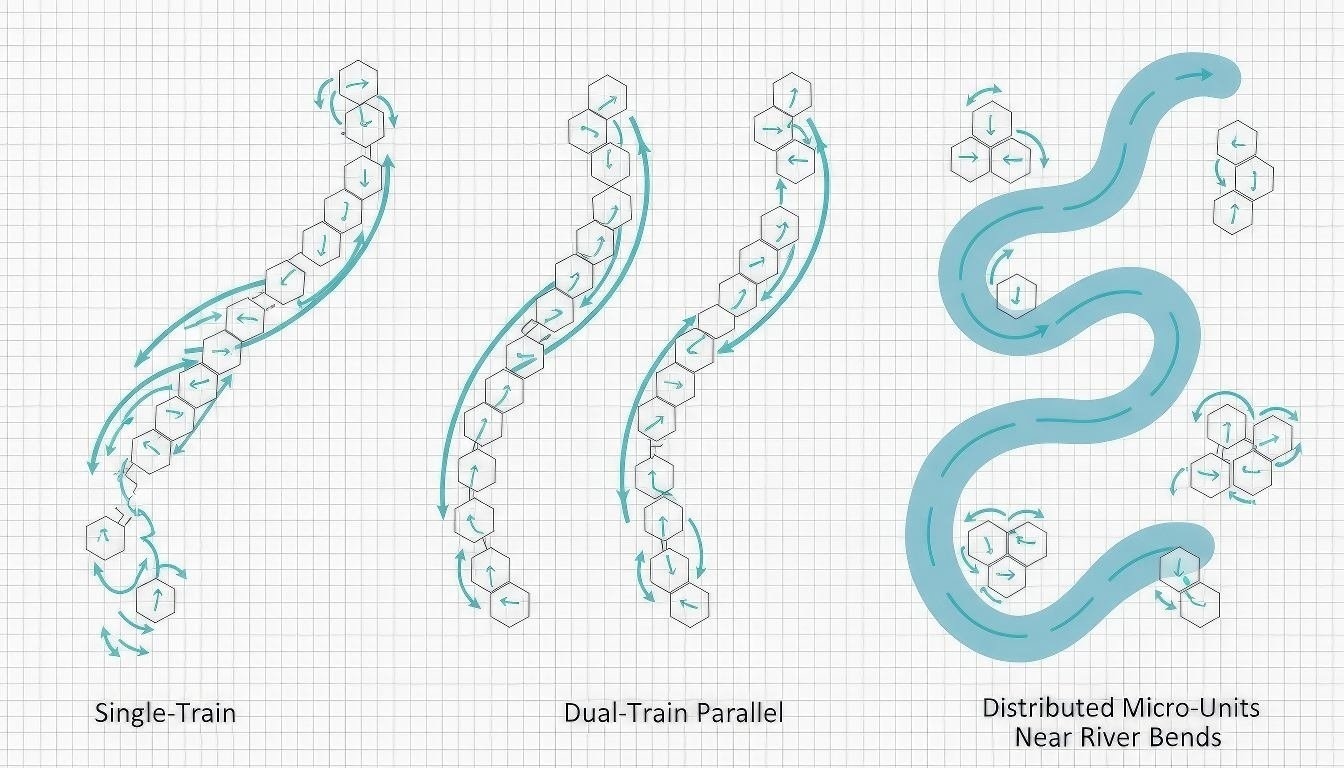
The modular design of the AquaSai MSR system allows for easy replication and scaling. Upon successful completion of the pilot, we will work with municipalities and development partners (including the ADB and World Bank, with whom we have initiated contact) to replicate the model at multiple locations along the Bagmati and other rivers in Nepal.
The project is designed for long-term financial sustainability. Revenue streams will be developed from:
The Bagmati River Restoration Initiative offers a tangible, high-impact opportunity to address a critical environmental and humanitarian challenge at the heart of the water-energy-food nexus. By investing in this project, the WE4F Grand Challenge will be catalyzing a paradigm shift in river restoration—one that is nature-based, community-driven, and economically sustainable.
We are confident that this initiative will not only restore a sacred river but also cultivate a resilient and prosperous future for the communities that depend on it.
We invite you to partner with us in this transformative endeavor.
Join The Initiative TodayWe welcome partnerships with local communities, government agencies, NGOs, and funding organizations. If you are interested in supporting this initiative or learning more about how you can get involved, please contact us.