AquaSai Overview
ภาพรวม AquaSai
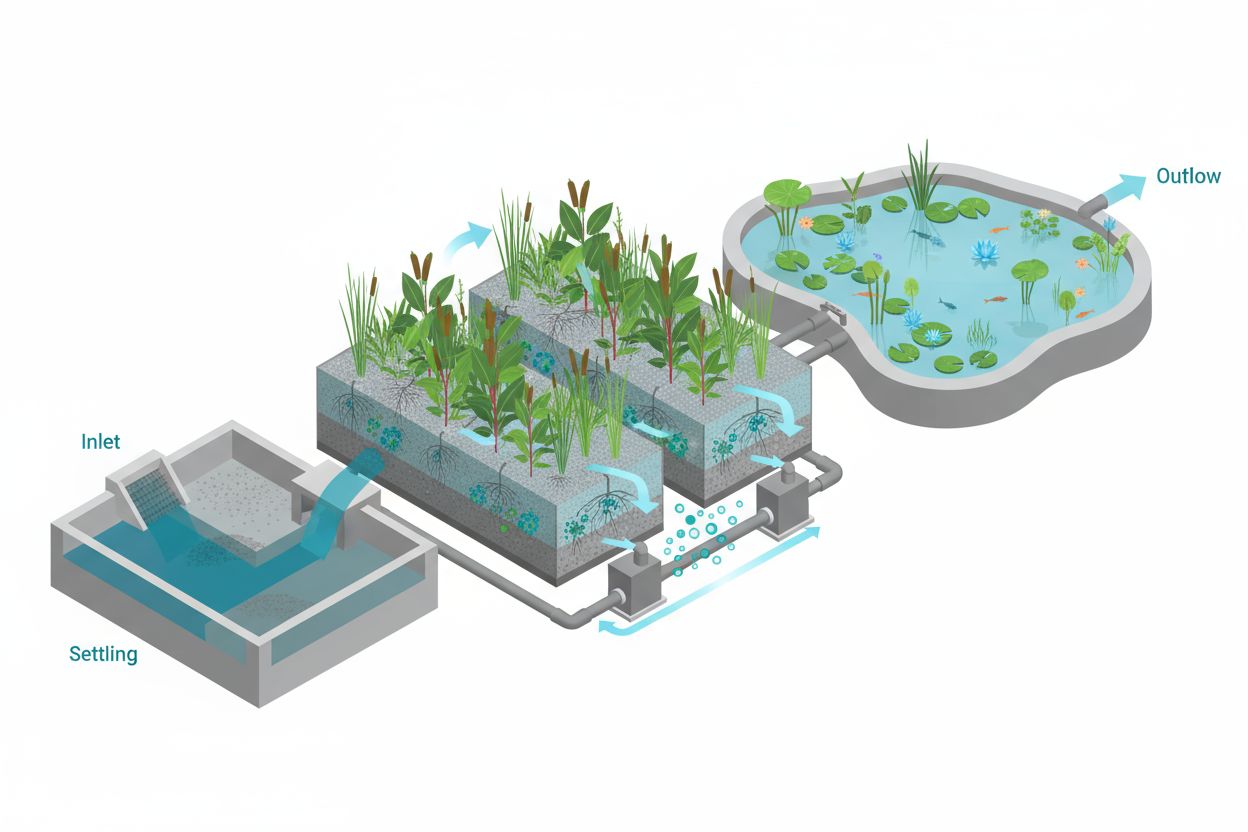
AquaSai is a pioneering water treatment initiative in Koh Phangan, Thailand, utilizing Multi-Stage Recirculating Constructed Wetland (MSR) technology to transform polluted water into clean, reusable resources. Our innovative approach combines ancient wisdom with cutting-edge engineering to address the island's water quality challenges while promoting environmental sustainability.
AquaSai เป็นโครงการบำบัดน้ำที่ก้าวหน้าในเกาะพะงัน ประเทศไทย ใช้เทคโนโลยีพื้นที่ชุ่มน้ำประดิษฐ์แบบหมุนเวียนหลายขั้นตอน (MSR) เพื่อเปลี่ยนน้ำที่เปื้อนเปื้อนให้เป็นทรัพยากรสะอาดและนำกลับมาใช้ใหม่ได้ แนวทางที่เป็นนวัตกรรมของเรารวมสารภาพของบูรพาจารย์กับวิศวกรรมล้ำสมัยเพื่อแก้ไขปัญหาคุณภาพน้ำของเกาะ ในขณะที่ส่งเสริมความยั่งยืนสิ่งแวดล้อม
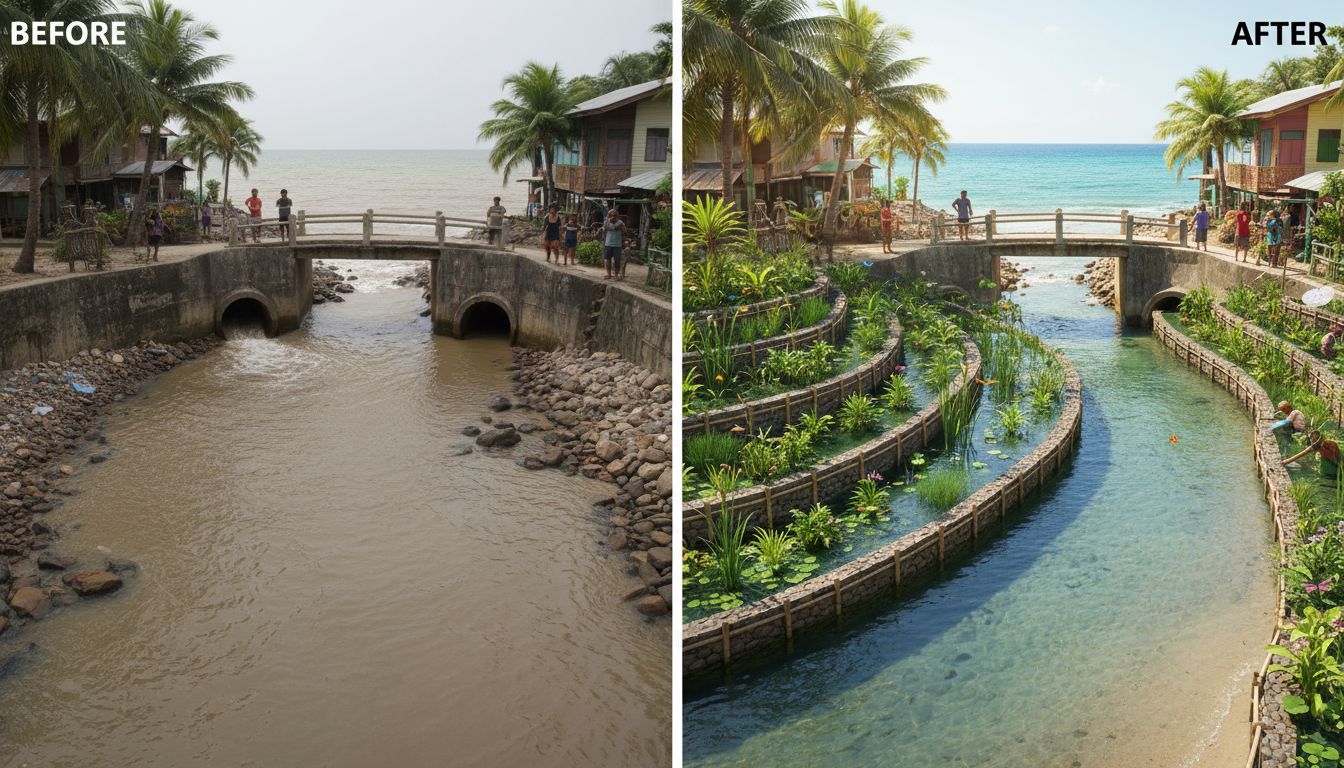
Our mission is to protect Koh Phangan's pristine beaches and marine ecosystems by intercepting and treating wastewater before it reaches the ocean. Through our Thai-owned and operated facilities, we're creating a sustainable solution that honors the island's natural heritage while supporting its future as a protected ecological treasure.
ภารกิจของเราคือการปกป้องหาดที่บริสุทธิ์และระบบนิเวศทางทะเลของเกาะพะงันโดยการดักและบำบัดน้ำเสียก่อนที่จะไหลลงสู่มหาสมุทร ด้านสถานประกอบการที่เป็นเจ้าของและดำเนินการโดยไทย เรากำลังสร้างโซลูชันที่ยั่งยืนที่ให้เกียรติมรดกธรรมชาติของเกาะในขณะที่สนับสนุนอนาคตของเกาะเป็นสมบัติทางนิเวศวิทยาที่ได้รับการคุ้มครอง
90%+
Pollutant Removal
การกำจัดสารมลพิษ
100%
Natural Process
กระบวนการธรรมชาติ
4
Treatment Stages
ขั้นตอนการบำบัด
24/7
Operation
การดำเนินงาน
Koh Phangan's Natural Heritage
มรดกธรรมชาติของเกาะพะงัน
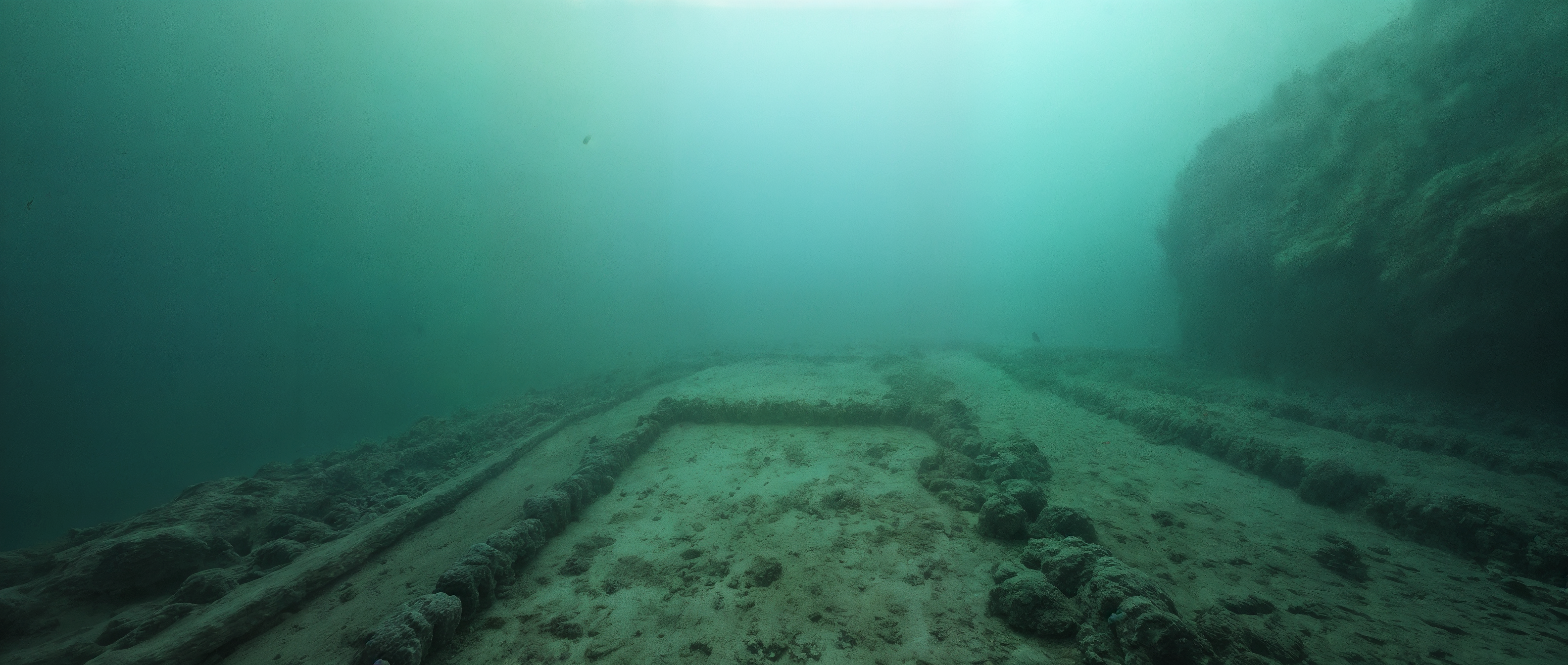
Koh Phangan is not merely a tourist destination but a living ecological museum with a rich natural heritage dating back thousands of years. The island's unique biodiversity, pristine watersheds, and ancient forest systems represent an irreplaceable natural treasure that deserves protection and reverence equivalent to a designated natural park.
เกาะพะงันไม่ได้เป็นเพียงสถานที่ท่องเที่ยวเท่านั้น แต่เป็นพิพิธภัณฑ์ทางนิเวศวิทยาที่มีชีวิตซึ่งมีมรดกธรรมชาติอันอุดมสมบูรณ์ย้อนหลายพันปี ความหลากหลายทางชีวภาพที่เป็นเอกลักษณ์ของเกาะ ลุ่มน้ำที่บริสุทธิ์ และระบบป่าเก่าแก่เป็นตัวแทนของสมบัติธรรมชาติที่ไม่สามารถทดแทนได้ซึ่งสมควรได้รับการปกป้องและความเคารพเทียบเท่ากับอุทยานธรรมชาติที่ได้รับการกำหนด
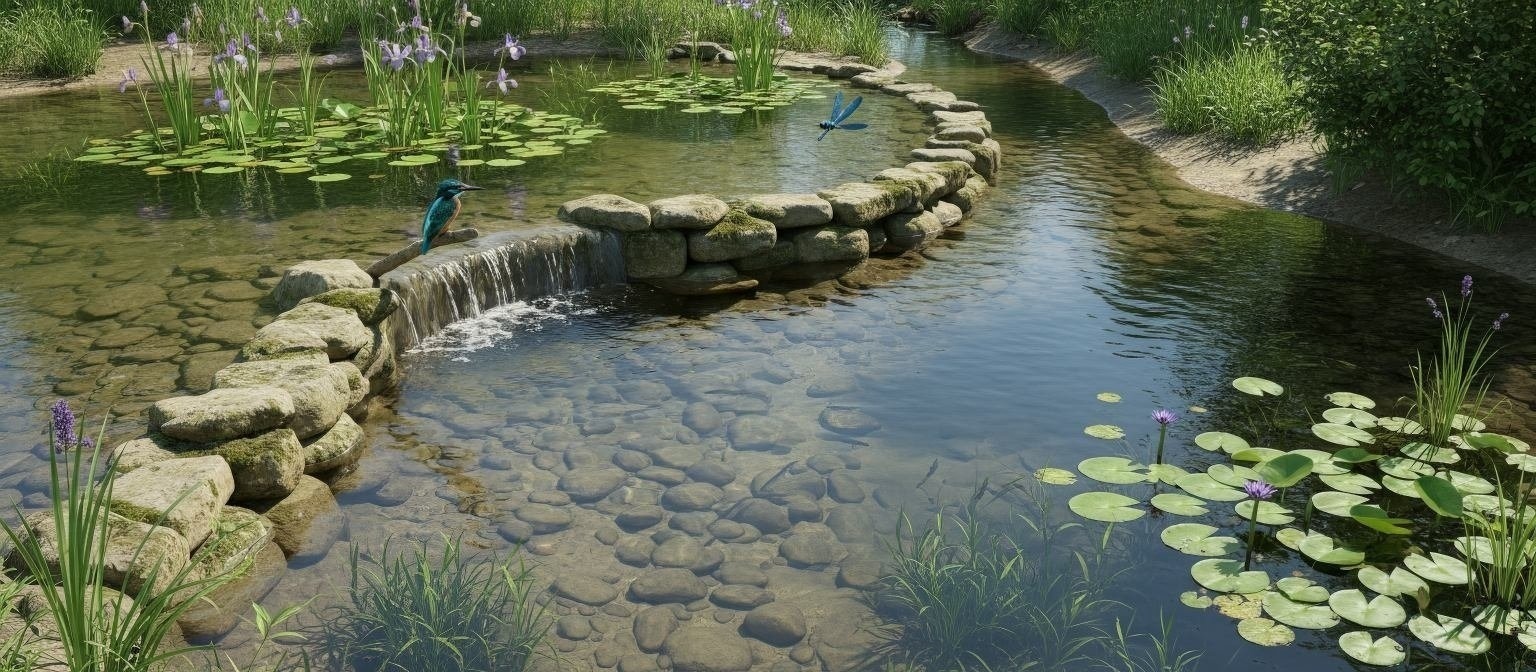
AquaSai's water treatment systems are designed to harmonize with and enhance this natural heritage. By mimicking the island's natural filtration processes, our constructed wetlands not only clean water but also create new habitats for native species, extending the island's ecological networks and strengthening its resilience against climate change and human impact.
ระบบบำบัดน้ำของ AquaSai ได้รับการออกแบบให้กลมกลืนและเสริมสร้างมรดกธรรมชาตินี้ ด้วยการเลียนแบบกระบวนการกรองธรรมชาติของเกาะ พื้นที่ชุ่มน้ำประดิษฐ์ของเราไม่เพียงแต่ทำความสะอาดน้ำเท่านั้น แต่ยังสร้างที่อยู่อาศัยใหม่สำหรับสายพันธุ์พื้นเมือง ขยายเครือข่ายนิเวศวิทยาของเกาะ และเสริมสร้างความยืดหยุ่นต่อการเปลี่ยนแปลงสภาพภูมิอากาศและผลกระทบจากมนุษย์
Ecological and Cultural Timeline
ลำดับเวลาทางนิเวศวิทยาและวัฒนธรรม
3000 BCE
First human settlements on Koh Phangan, with indigenous communities developing sustainable fishing and farming practices that worked in harmony with natural cycles.
การตั้งถิ่นฐานของมนุษย์ครั้งแรกบนเกาะพะงัน โดยชุมชนพื้นเมืองพัฒนาวิธีการประมงและการเกษตรที่ยั่งยืนซึ่งทำงานอย่างกลมกลืนกับวัฏจักรธรรมชาติ
500 CE
Ancient water management systems appear on the island, including primitive canals and rainwater harvesting structures that demonstrate early ecological engineering.
ระบบการจัดการน้ำโบราณปรากฏบนเกาะ รวมถึงคลองดั้งเดิมและโครงสร้างการเก็บเกี่ยวน้ำฝนที่แสดงให้เห็นถึงวิศวกรรมนิเวศวิทยาในยุคแรก
1239 CE
First documented reference to Koh Phangan in Siamese records, noting its abundant freshwater springs and diverse forest ecosystems.
การอ้างอิงถึงเกาะพะงันครั้งแรกในบันทึกสยาม โดยระบุถึงน้ำบุญน้ำบาดาลที่อุดมสมบูรณ์และระบบนิเวศป่าที่หลากหลาย
1700s
Development of traditional Thai agricultural practices on the island, including "Rishi Krishi" methods that emphasized biodiversity and water conservation.
การพัฒนาวิธีการเกษตรไทยดั้งเดิมบนเกาะ รวมถึงวิธีการ "ฤษีกฤษิธรรม" ที่เน้นความหลากหลายทางชีวภาพและการอนุรักษ์น้ำ
1950s
Scientific surveys document over 250 endemic plant species and 180 bird species on Koh Phangan, highlighting its ecological significance.
การสำรวจทางวิทยาศาสตร์บันทึกถึงพืชพันธุ์เฉพาะมากกว่า 250 สายพันธุ์และนกมากกว่า 180 สายพันธุ์บนเกาะพะงัน ซึ่งเน้นย้ำถึงความสำคัญทางนิเวศ
1980s
Tourism begins to impact the island's natural systems, with increasing pressure on water resources and waste management infrastructure.
การท่องเที่ยวเริ่มส่งผลกระทบต่อระบบธรรมชาติของเกาะ โดยมีแรงกดดันเพิ่มขึ้นต่อทรัพยากรน้ำและโครงสร้างพื้นฐานการจัดการของเสีย
2010
Conservation efforts intensify with local initiatives to protect coral reefs, mangroves, and watershed areas from development pressure.
ความพยายามในการอนุรักษ์เข้มข้นขึ้นด้วยความคิดริเริ่มท้องถิ่นเพื่อปกป้องแนวปะการัง ป่าชายเลน และพื้นที่ลุ่มน้ำจากแรงกดดันการพัฒนา
2023
AquaSai launches its first MSR wetland system, reviving traditional water purification knowledge while integrating modern ecological science.
AquaSai เปิดตัวระบบพื้นที่ชุ่มน้ำ MSR ระบบแรก ฟื้นฟูความรู้การบำบัดน้ำดั้งเดิมในขณะที่บูรณาการวิทยาศาสตร์นิเวศวิทยาสมัยใหม่
2025
Vision for Koh Phangan to be recognized as Thailand's first "Living Natural Park" where human activities enhance rather than degrade ecological systems.
วิสัยทัศน์ให้เกาะพะงันได้รับการยอมรับเป็น "อุทยานธรรมชาติที่มีชีวิต" แห่งแรกของประเทศไทย ซึ่งกิจกรรมของมนุษย์เสริมสร้างแทนที่จะทำลายระบบนิเวศ
MSR Treatment Process
กระบวนการบำบัด MSR
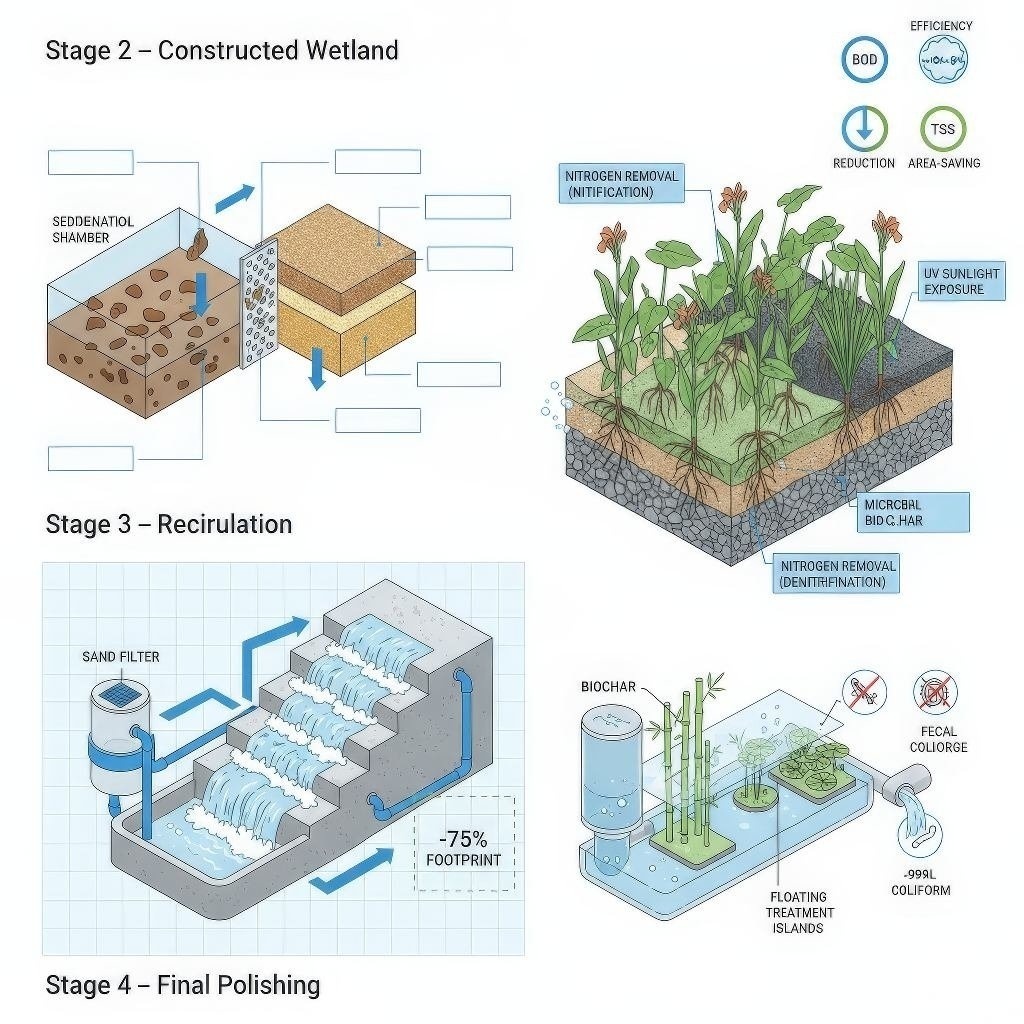
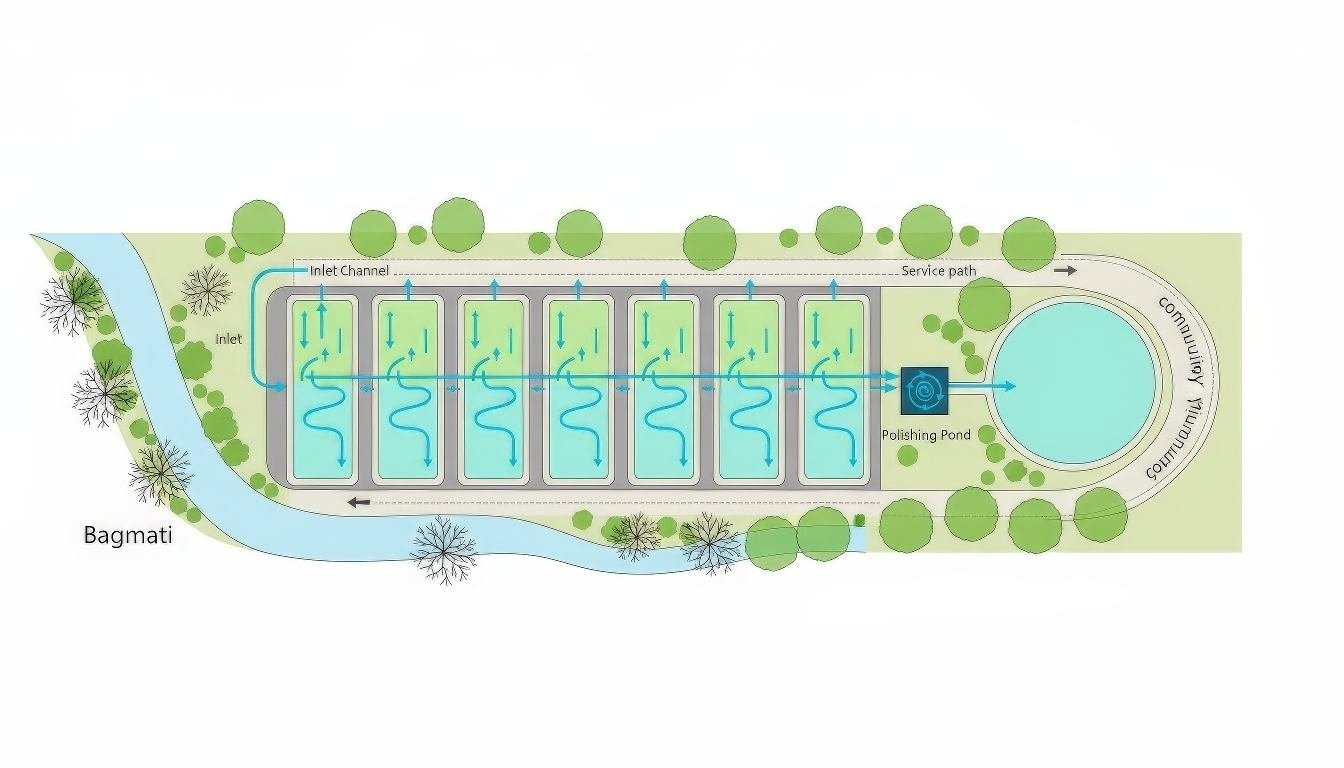
Our Multi-Stage Recirculating Constructed Wetland (MSR) system transforms polluted water through a four-stage natural treatment process, drawing inspiration from ancient Thai water purification techniques while incorporating modern ecological engineering principles.
ระบบพื้นที่ชุ่มน้ำประดิษฐ์แบบหมุนเวียนหลายขั้นตอน (MSR) ของเราเปลี่ยนน้ำที่เปื้อนเปื้อนด้านกระบวนการบำบัดตามธรรมชาติสี่ขั้นตอน โดยใช้แรงบันดาลใจจากเทคนิคการบำบัดน้ำไทยโบราณในขณะที่บูรณาการหลักการวิศวกรรมนิเวศวิทยาสมัยใหม่
1
Primary Filtration
การกรองขั้นต้น
Removes solids and large particles through sedimentation chambers, mechanical screening, and organic filter media composed of locally-sourced coconut coir and rice husks. This stage removes 60-70% of suspended solids.
กำจัดของแข็งและอนุภาคขนาดใหญ่ผ่านห้องตกตะกอน การกรองเชิงกล และสื่อกรองอินทรีย์ประกอบด้วยเส้นใยมะพร้าวและแกลบข้าวจากท้องถิ่น ขั้นตอนนี้กำจัดของแข็งแขวนลอย 60-70%
2
Constructed Wetland
พื้นที่ชุ่มน้ำประดิษฐ์
Plants and beneficial microbes work together in specialized beds to break down organic pollutants, absorb nutrients, and remove pathogens through natural biological processes creating thriving ecosystems.
พืชและจุลินทรีย์ที่มีประโยชน์ทำงานร่วมกันในเตียงเฉพาะเพื่อย่อยสลายสารมลพิษอินทรีย์ ดูดซับสารอาหาร และกำจัดเชื้อโรคผ่านกระบวนการชีวภาพตามธรรมชาติที่สร้างระบบนิเวศที่เจริญรุ่งเรือง
3
Recirculation
การหมุนเวียน
Water is circulated multiple times through the wetland system to maximize treatment efficiency, increase oxygen levels, and ensure complete breakdown of complex contaminants through repeated biological contact.
น้ำหมุนเวียนหลายครั้งผ่านระบบพื้นที่ชุ่มน้ำเพื่อเพิ่มประสิทธิภาพการบำบัดสูงสุด เพิ่มระดับออกซิเจน และรับประกันการย่อยสลายสารปนเปื้อนที่ซับซ้อนอย่างสมบูรณ์ผ่านการสัมผัสทางชีวภาพซ้ำๆ
4
Final Polishing
การขัดเงาขั้นสุดท้าย
The final stage uses advanced aquatic plants in polishing ponds to remove remaining nutrients and improve water clarity, producing crystal-clear water safe for reuse or environmental discharge.
ขั้นตอนสุดท้ายใช้พืชน้ำขั้นสูงในบ่อขัดเงาเพื่อกำจัดสารอาหารที่เหลือและปรับปรุงความใสของน้ำ ผลิตน้ำใสเหมือนคริสตัลที่ปลอดภัยสำหรับการนำกลับมาใช้ใหม่หรือการปล่อยสู่สิ่งแวดล้อม
Treatment Plants & Flora
พืชบำบัดและพืชพรรณ
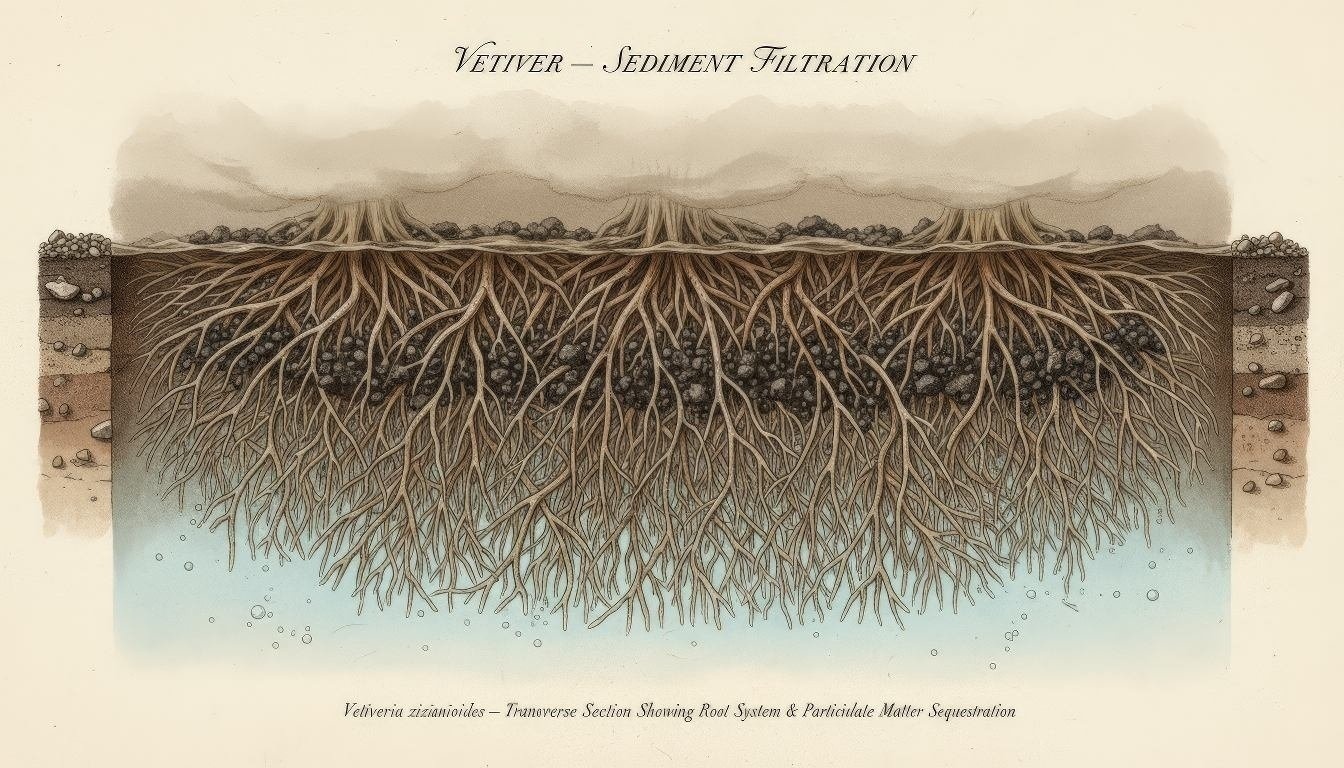
Vetiver Grass
หญ้าแฝก
Sediment Filtration & Erosion Control
การกรองตะกอนและการควบคุมการพังทลาย
Deep root systems (up to 3m) stabilize soil and filter heavy metals while creating dense barriers against erosion. Highly tolerant to extreme conditions.
ระบบรากที่ลึก (สูงถึง 3 เมตร) ทำให้ดินมั่นคงและกรองโลหะหนักในขณะที่สร้างอุปสรรคหนาแน่นต่อการพังทลาย ทนต่อสภาวะที่รุนแรงได้สูง
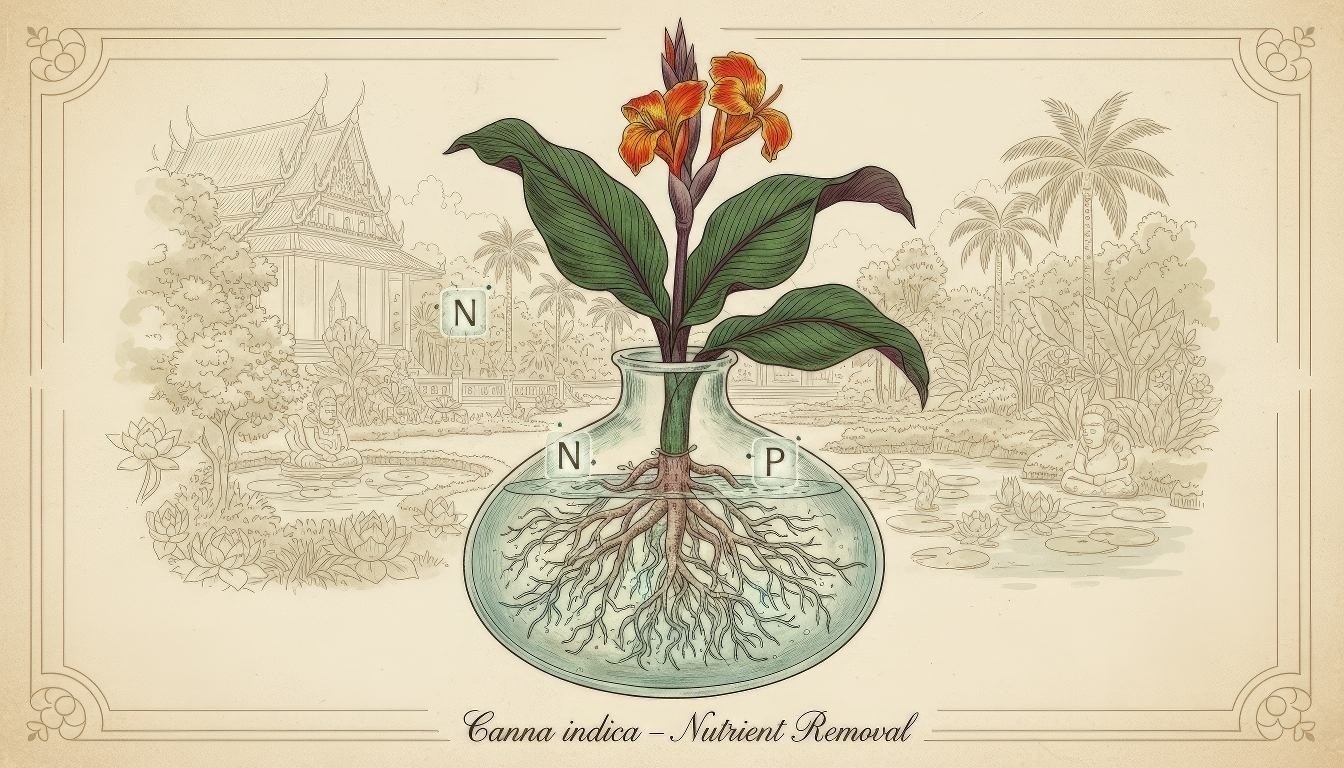
Canna Lily
ดอกบัวเจ้าฟ้า
Nutrient Removal & Aesthetics
การกำจัดสารอาหารและสุนทรียภาพ
Efficiently absorbs nitrogen and phosphorus while producing beautiful flowers. Rapid growth rate makes it excellent for nutrient-rich wastewater treatment.
ดูดซับไนโตรเจนและฟอสฟอรัสอย่างมีประสิทธิภาพในขณะที่ผลิตดอกไม้ที่สวยงาม อัตราการเติบโตที่รวดเร็วทำให้เหมาะสำหรับการบำบัดน้ำเสียที่อุดมด้วยสารอาหาร
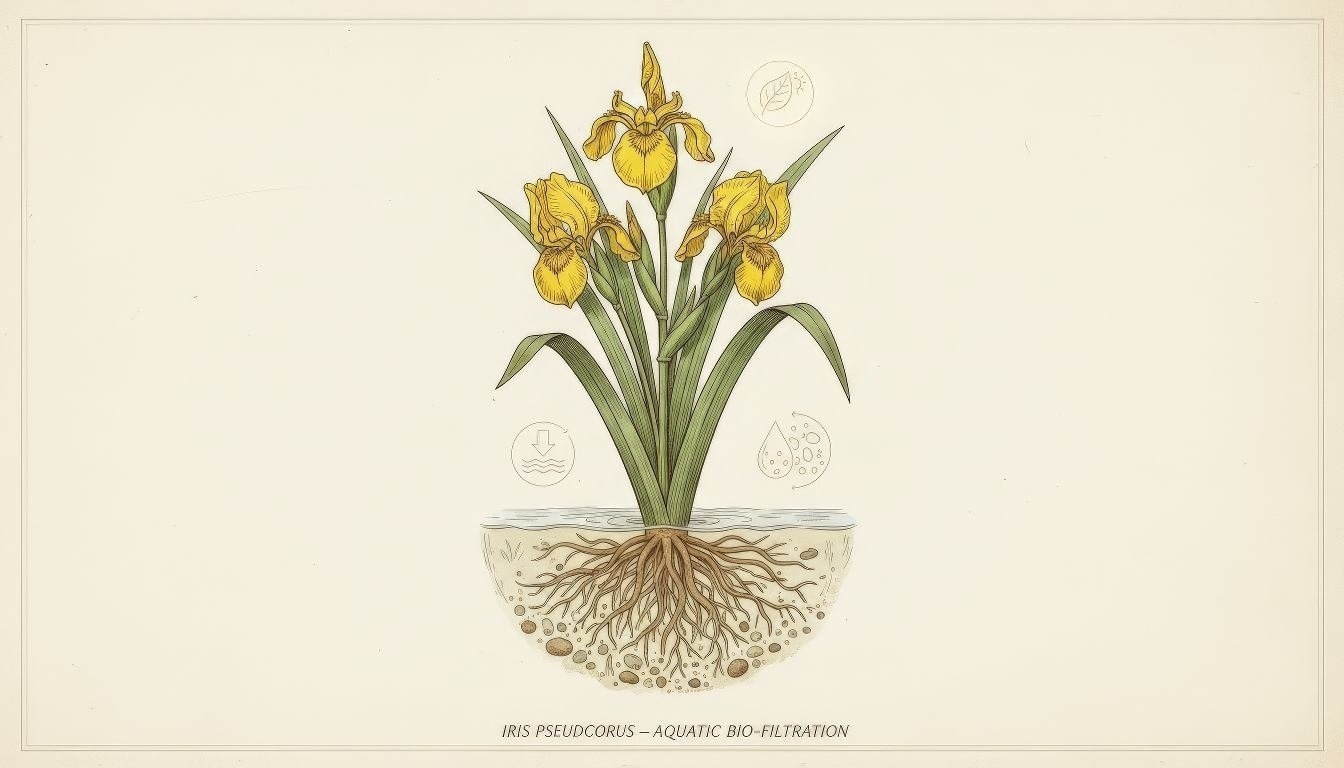
Water Iris
ไอริสน้ำ
Pathogen Reduction & Oxygenation
การลดเชื้อโรคและการเติมออกซิเจน
Root systems host beneficial bacteria that break down pathogens. Transports oxygen to root zones, creating aerobic conditions essential for water purification.
ระบบรากเป็นที่อยู่อาศัยของแบคทีเรียที่มีประโยชน์ที่ย่อยสลายเชื้อโรค ขนส่งออกซิเจนไปยังโซนรากสร้างเงื่อนไขแอโรบิกที่จำเป็นสำหรับการทำให้น้ำบริสุทธิ์
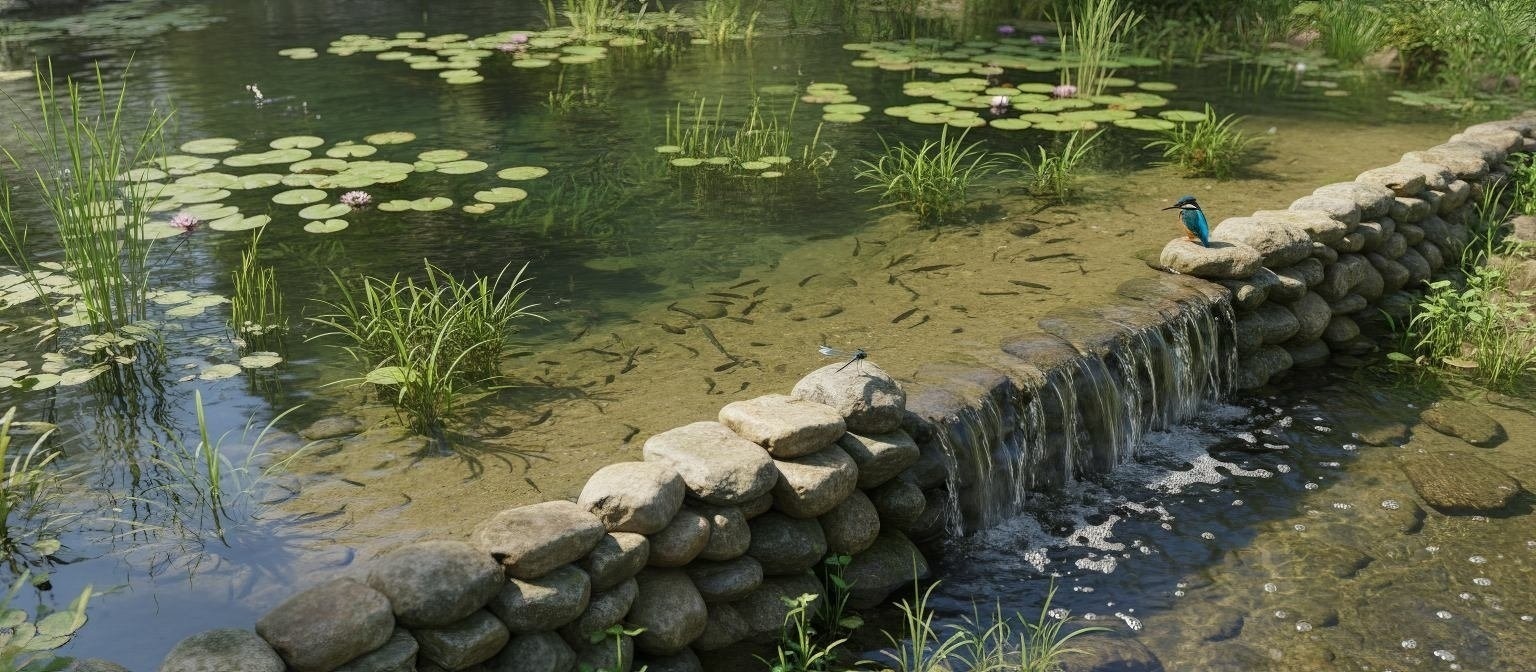
Aquatic Plant Polyculture
พืชน้ำหลายชนิด
Comprehensive Water Polishing
การขัดเงาน้ำแบบครอบคลุม
Diverse mix of floating and submerged plants work synergistically to provide final water polishing, habitat creation, and biodiversity enhancement.
การผสมผสานที่หลากหลายของพืชลอยน้ำและพืชใต้น้ำทำงานร่วมกันเพื่อให้การขัดเงาน้ำขั้นสุดท้าย การสร้างที่อยู่อาศัย และการเพิ่มความหลากหลายทางชีวภาพ
Advanced Technical Features
คุณสมบัติทางเทคนิคขั้นสูง
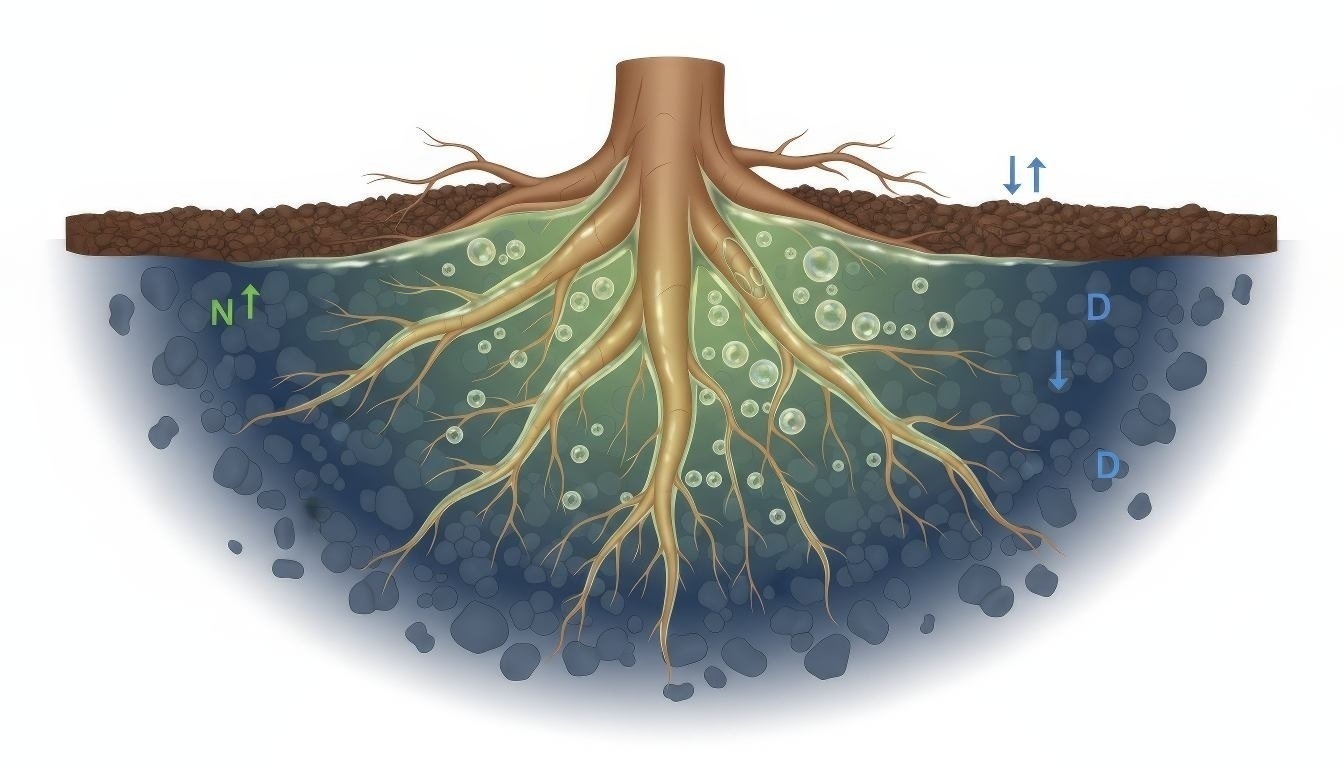
Rhizosphere Optimization
การเพิ่มประสิทธิภาพไรโซสเฟียร์
- Oxygen gradients support diverse microbial communities
- ระดับออกซิเจนที่แตกต่างสนับสนุนชุมชนจุลินทรีย์ที่หลากหลาย
- Aerobic and anaerobic zones for complete treatment
- โซนแอโรบิกและแอนแอโรบิกสำหรับการบำบัดที่สมบูรณ์
- Root exudates feed beneficial bacteria
- สารหลั่งจากรากเลี้ยงแบคทีเรียที่มีประโยชน์
- Enhanced nutrient cycling efficiency
- ประสิทธิภาพการหมุนเวียนสารอาหารที่เพิ่มขึ้น
Phytoremediation Mechanisms
กลไกการบำบัดด้วยพืช
- Heavy metal sequestration in plant tissues
- การกักเก็บโลหะหนักในเนื้อเยื่อพืช
- Organic compound breakdown through enzymes
- การย่อยสลายสารประกอบอินทรีย์ผ่านเอนไซม์
- Nitrogen transformation via denitrification
- การเปลี่ยนแปลงไนโตรเจนผ่านกระบวนการดีไนตริฟิเคชัน
- Phosphorus immobilization in root zones
- การทำให้ฟอสฟอรัสไม่เคลื่อนที่ในโซนราก
Monitoring & Data
การตรวจสอบและข้อมูล
- Real-time water quality sensors
- เซ็นเซอร์คุณภาพน้ำแบบเรียลไทม์
- Flow rate and hydraulic monitoring
- การตรวจสอบอัตราการไหลและไฮดรอลิก
- Biodiversity assessment protocols
- โปรโตคอลการประเมินความหลากหลายทางชีวภาพ
- Performance optimization algorithms
- อัลกอริทึมการเพิ่มประสิทธิภาพการทำงาน
Environmental & Social Impact
ผลกระทบต่อสิ่งแวดล้อมและสังคม
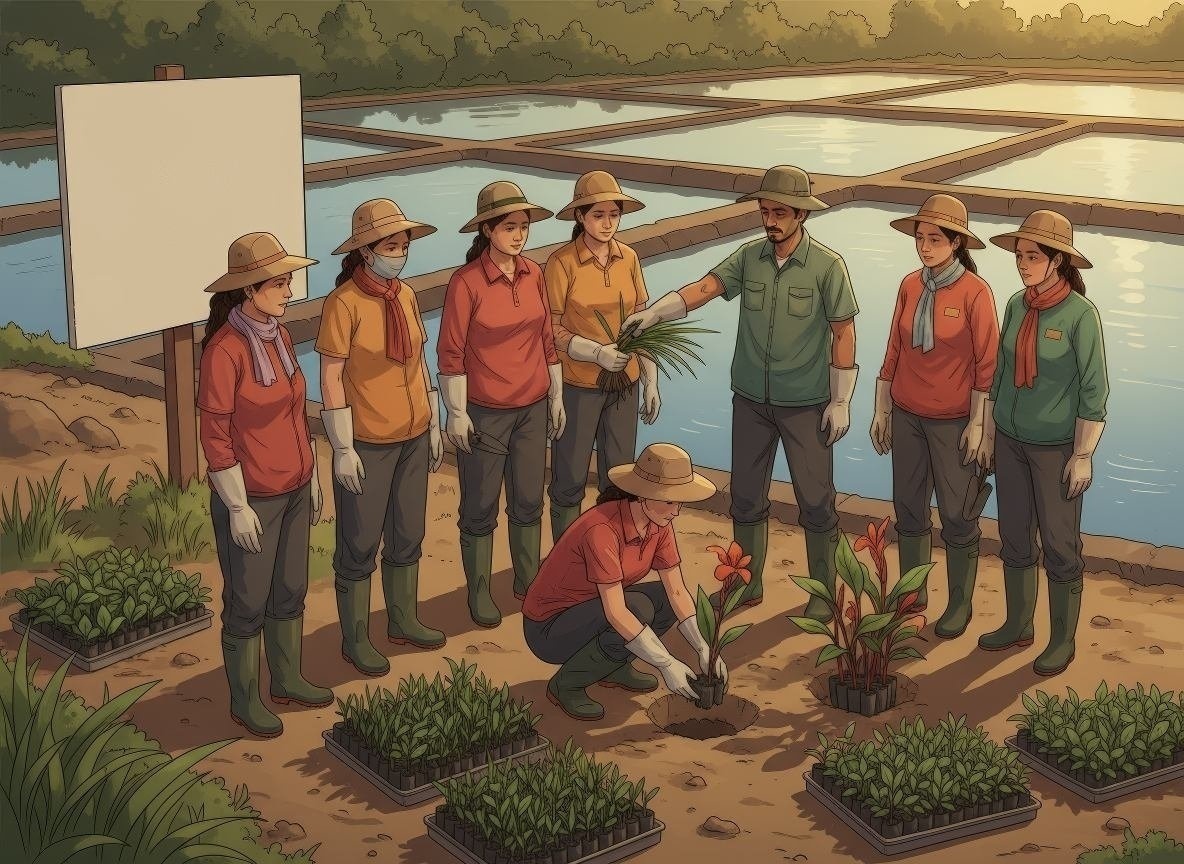
AquaSai's natural water treatment systems deliver measurable environmental benefits while creating positive social impact through community engagement, education, and sustainable livelihoods.
ระบบบำบัดน้ำตามธรรมชาติของ AquaSai ส่งมอบผลประโยชน์ด้านสิ่งแวดล้อมที่วัดได้ในขณะที่สร้างผลกระทบทางสังคมเชิงบวกผ่านการมีส่วนร่วมของชุมชน การศึกษา และการดำรงชีวิตที่ยั่งยืน
Measured Environmental Benefits
ผลประโยชน์ด้านสิ่งแวดล้อมที่วัดได้
-
90%+ reduction in biological oxygen demand (BOD) and chemical oxygen demand (COD)
-
การลดลง 90%+ ในความต้องการออกซิเจนทางชีวภาพ (BOD) และความต้องการออกซิเจนทางเคมี (COD)
-
95%+ removal of total suspended solids (TSS) and turbidity
-
การกำจัด 95%+ ของของแข็งแขวนลอยทั้งหมด (TSS) และความขุ่น
-
85%+ reduction in nitrogen and phosphorus compounds
-
การลดลง 85%+ ในสารประกอบไนโตรเจนและฟอสฟอรัส
-
99%+ removal of harmful pathogens and fecal coliforms
-
การกำจัด 99%+ ของเชื้อโรคที่เป็นอันตรายและโคลิฟอร์มในอุจจาระ
-
Zero chemical inputs - completely natural biological treatment
-
ไม่มีการใช้สารเคมี - การบำบัดทางชีวภาพตามธรรมชาติโดยสมบูรณ์
-
Carbon negative operation - plants sequester more CO₂ than system emits
-
การดำเนินงานแบบคาร์บอนลบ - พืชกักเก็บ CO₂ มากกว่าที่ระบบปล่อยออกมา
-
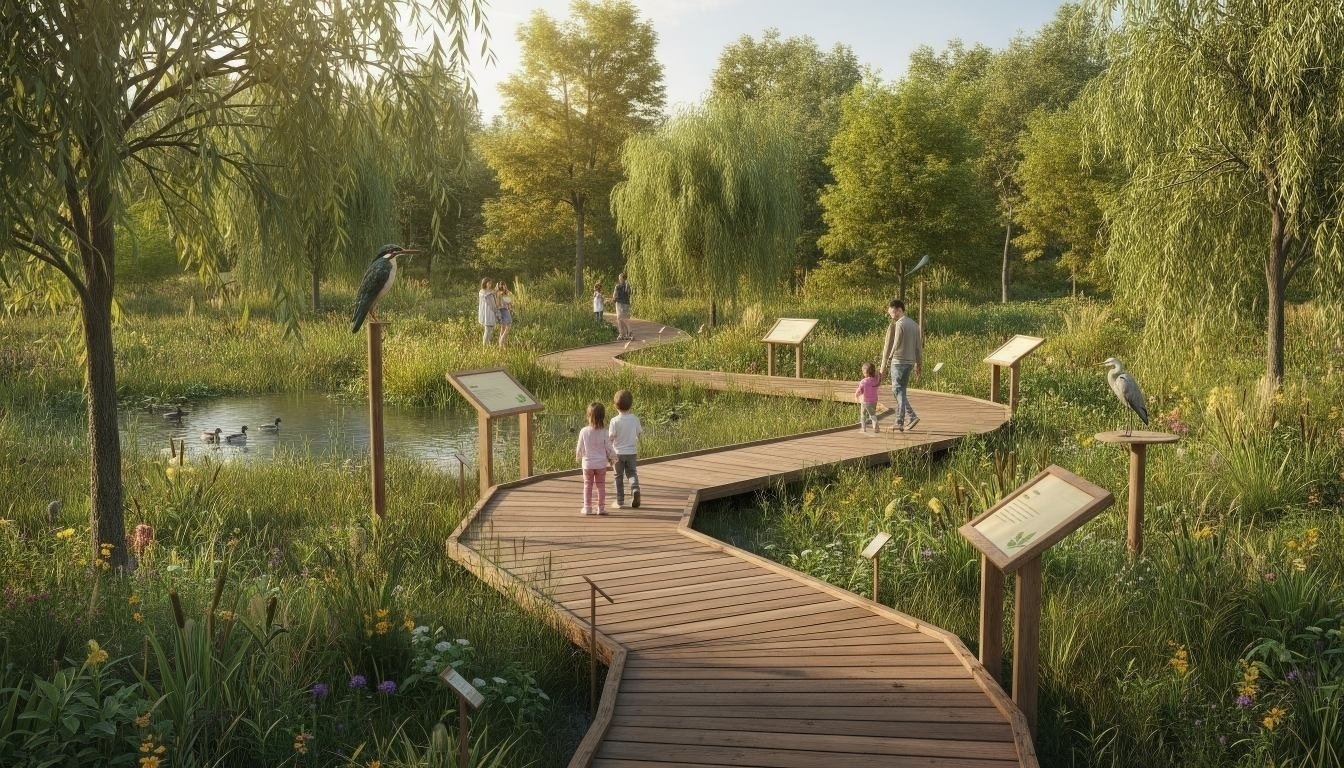
Habitat creation for 50+ bird species, amphibians, and beneficial insects
-
การสร้างที่อยู่อาศัย สำหรับนกมากกว่า 50 ชนิด สัตว์สะเทินน้ำสะเทินบก และแมลงที่มีประโยชน์
Community Benefits & Co-benefits
ผลประโยชน์และผลประโยชน์ร่วมของชุมชน
Education & Training
การศึกษาและการฝึกอบรม
- Local community training programs
- โปรแกรมการฝึกอบรมชุมชนท้องถิ่น
- School educational visits
- การเยี่ยมชมเพื่อการศึกษาของโรงเรียน
- Technical skills development
- การพัฒนาทักษะทางเทคนิค
- Environmental awareness campaigns
- แคมเปญการรับรู้ด้านสิ่งแวดล้อม
Economic Opportunities
โอกาสทางเศรษฐกิจ
- Local employment creation
- การสร้างงานในท้องถิ่น
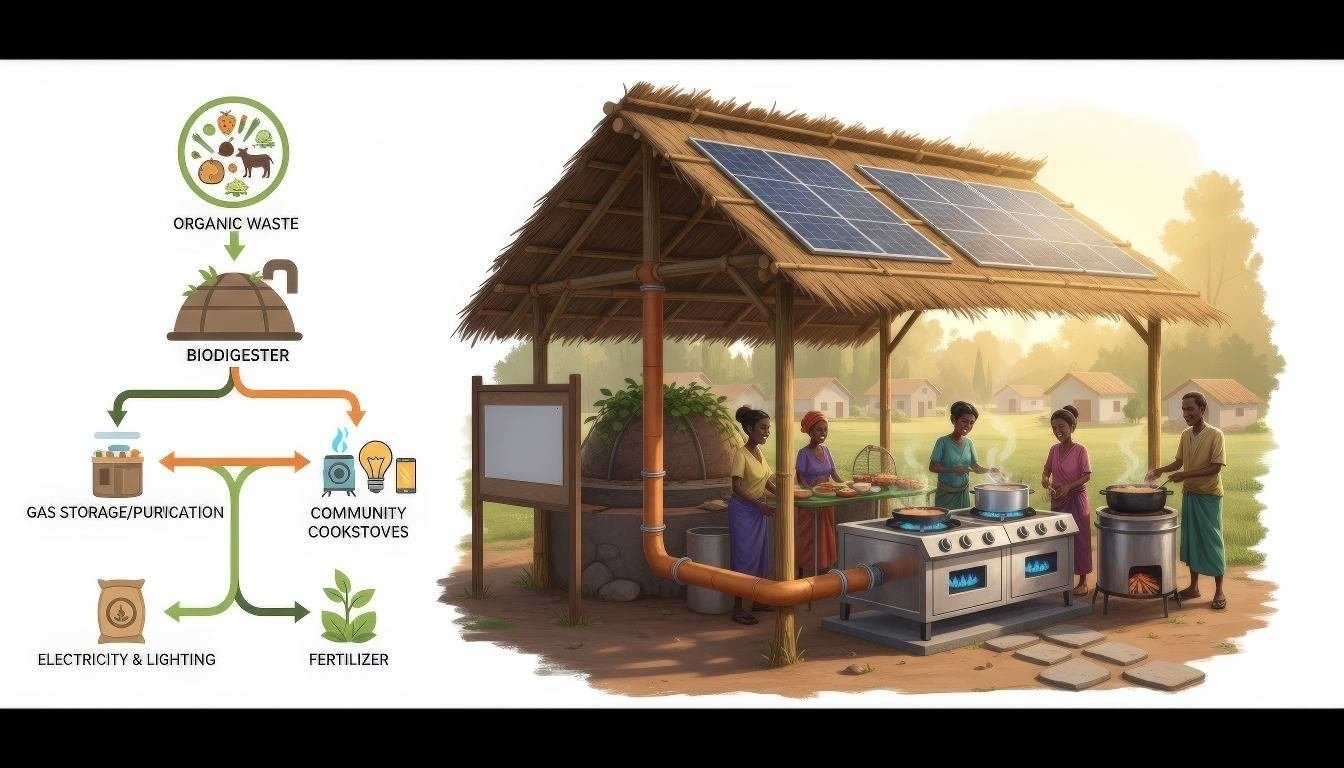
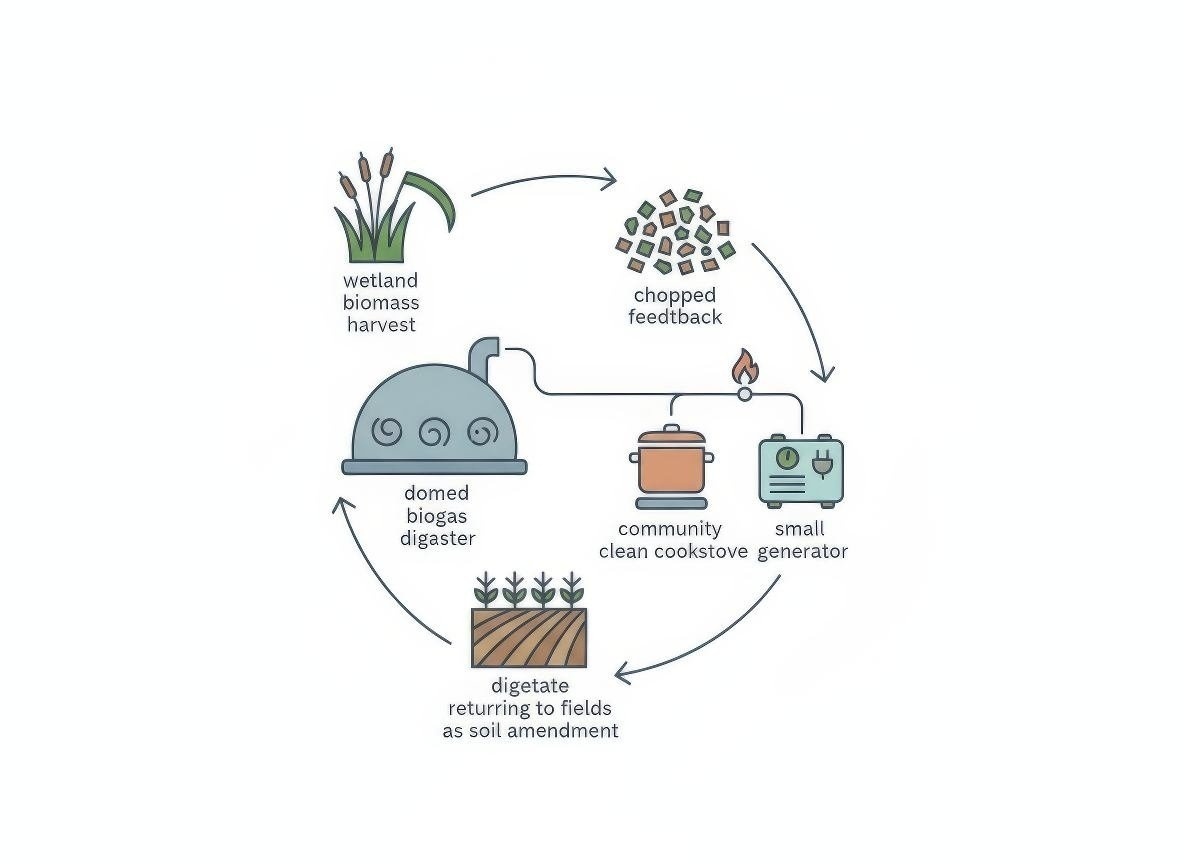
- Biomass harvesting for biogas
- การเก็บเกี่ยวชีวมวลสำหรับก๊าซชีวภาพ
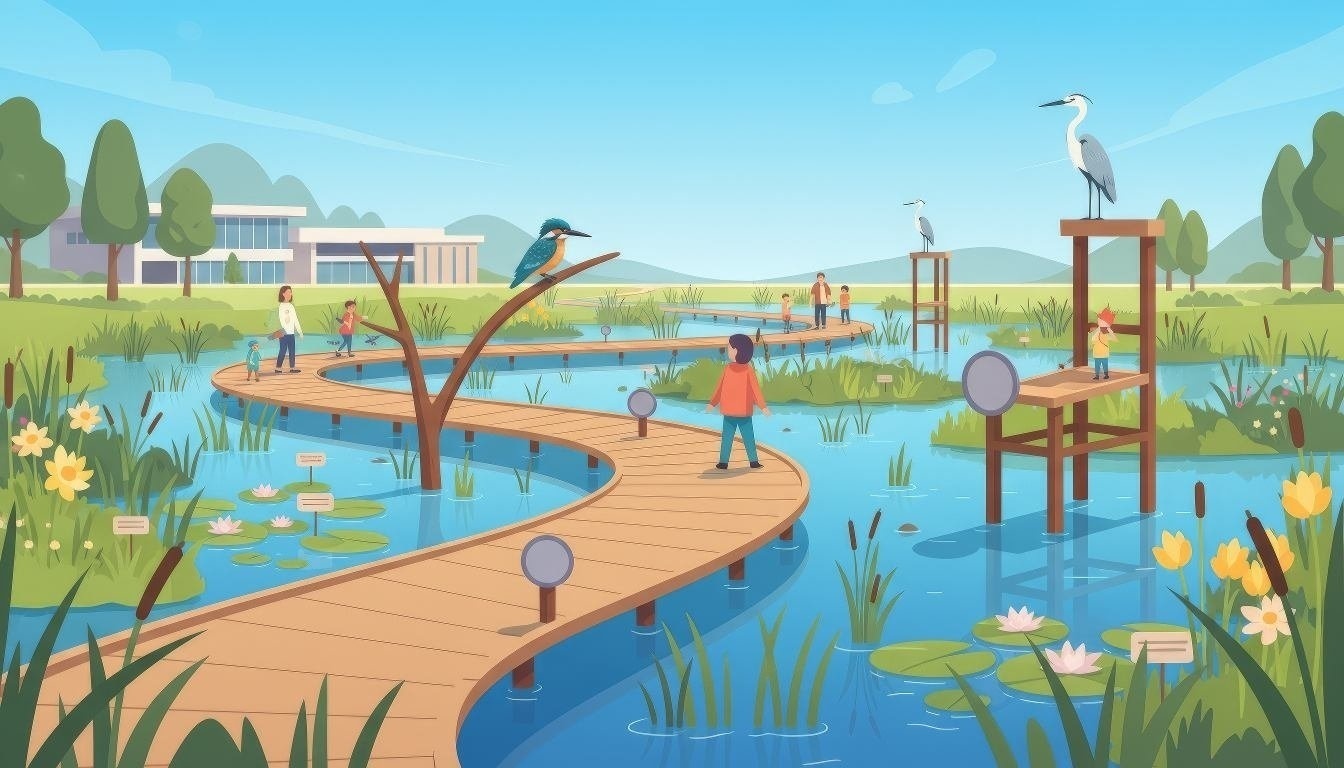
- Eco-tourism potential
- ศักยภาพการท่องเที่ยวเชิงนิเวศ
- Technology transfer opportunities
- โอกาสในการถ่ายทอดเทคโนโลยี
Health & Wellbeing
สุขภาพและความเป็นอยู่ที่ดี
- Reduced waterborne diseases
- โรคที่เกิดจากน้ำลดลง
- Improved coastal water quality
- คุณภาพน้ำชายฝั่งที่ดีขึ้น
- Enhanced marine ecosystem health
- สุขภาพของระบบนิเวศทางทะเลที่เพิ่มขึ้น
- Aesthetic green space creation
- การสร้างพื้นที่สีเขียวที่สวยงาม
Financial Sustainability
ความยั่งยืนทางการเงิน
AquaSai's natural water treatment systems offer superior cost-effectiveness compared to conventional treatment facilities, with lower capital costs, minimal operating expenses, and attractive return on investment through co-benefit generation.
ระบบบำบัดน้ำตามธรรมชาติของ AquaSai นำเสนอความคุ้มค่าด้านต้นทุนที่เหนือกว่าเมื่อเทียบกับสิ่งอำนวยความสะดวกในการบำบัดแบบเดิม ด้วยต้นทุนเงินทุนที่ต่ำกว่า ค่าใช้จ่ายในการดำเนินงานที่น้อยที่สุด และผลตอบแทนจากการลงทุนที่น่าสนใจผ่านการสร้างผลประโยชน์ร่วม
Cost Analysis
การวิเคราะห์ต้นทุน
50%
Lower Capital Cost vs. Conventional
ต้นทุนเงินทุนที่ต่ำกว่าเมื่อเทียบกับแบบเดิม
70%
Lower Operating Cost
ต้นทุนการดำเนินงานที่ต่ำกว่า
20+
Years System Lifespan
อายุการใช้งานระบบ (ปี)
3-5
Years to ROI
ระยะเวลาคืนทุน (ปี)
Revenue Streams & Co-benefits
กระแสรายได้และผลประโยชน์ร่วม
-
Biomass Harvesting: Regular plant harvesting generates biomass for biogas production, compost, or animal feed, creating circular economy opportunities
-
การเก็บเกี่ยวชีวมวล: การเก็บเกี่ยวพืชเป็นประจำสร้างชีวมวลสำหรับการผลิตก๊าซชีวภาพ ปุ๋ยหมัก หรืออาหารสัตว์ สร้างโอกาสเศรษฐกิจหมุนเวียน
-
Water Reuse: Treated water suitable for irrigation, landscaping, or industrial processes reduces freshwater demand
-
การใช้น้ำซ้ำ: น้ำบำบัดเหมาะสำหรับการชลประทาน การจัดภูมิทัศน์ หรือกระบวนการอุตสาหกรรม ลดความต้องการน้ำจืด
-
Carbon Credits: Potential eligibility for carbon offset programs due to carbon sequestration and reduced emissions
-
เครดิตคาร์บอน: สิทธิ์ที่เป็นไปได้สำหรับโปรแกรมชดเชยคาร์บอนเนื่องจากการกักเก็บคาร์บอนและการลดการปล่อย
-
Eco-tourism: Educational tours and community engagement programs generate supplementary revenue
-
การท่องเที่ยวเชิงนิเวศ: ทัวร์ศึกษาและโปรแกรมการมีส่วนร่วมของชุมชนสร้างรายได้เสริม
-
Technology Licensing: Proven system design can be replicated and licensed to other communities
-
การอนุญาตให้ใช้เทคโนโลยี: การออกแบบระบบที่พิสูจน์แล้วสามารถทำซ้ำและอนุญาตให้ใช้กับชุมชนอื่นๆ

Grant & Funding Opportunities
โอกาสในการให้ทุนและการสนับสนุน
AquaSai systems are eligible for various environmental and development grants, including climate adaptation funding, water security programs, biodiversity conservation initiatives, and sustainable development goals (SDG) aligned financing. Our proven track record and measurable impact make us an attractive investment for organizations seeking high-impact environmental solutions.
ระบบ AquaSai มีสิทธิ์ได้รับทุนสนับสนุนด้านสิ่งแวดล้อมและการพัฒนาต่างๆ รวมถึงทุนการปรับตัวต่อสภาพภูมิอากาศ โปรแกรมความมั่นคงด้านน้ำ แผนงานอนุรักษ์ความหลากหลายทางชีวภาพ และการจัดหาเงินทุนที่สอดคล้องกับเป้าหมายการพัฒนาที่ยั่งยืน (SDG) ประวัติที่พิสูจน์แล้วและผลกระทบที่วัดได้ของเราทำให้เราเป็นการลงทุนที่น่าสนใจสำหรับองค์กรที่แสวงหาโซลูชันด้านสิ่งแวดล้อมที่มีผลกระทบสูง
Stakeholder Engagement
การมีส่วนร่วมของผู้มีส่วนได้ส่วนเสีย
AquaSai's success depends on collaborative partnerships with local communities, government agencies, environmental organizations, and the private sector. We believe in transparent communication and shared decision-making to ensure our systems serve all stakeholders' needs.
ความสำเร็จของ AquaSai ขึ้นอยู่กับความร่วมมือแบบหุ้นส่วนกับชุมชนท้องถิ่น หน่วยงานราชการ องค์กรด้านสิ่งแวดล้อม และภาคเอกชน เราเชื่อในการสื่อสารที่โปร่งใสและการตัดสินใจร่วมกันเพื่อให้แน่ใจว่าระบบของเราตอบสนองความต้องการของผู้มีส่วนได้ส่วนเสียทุกฝ่าย
Key Stakeholder Groups
กลุ่มผู้มีส่วนได้ส่วนเสียหลัก
Local Communities
ชุมชนท้องถิ่น
- Village leaders and residents
- ผู้นำหมู่บ้านและผู้อยู่อาศัย
- Traditional knowledge holders
- ผู้ถือความรู้ดั้งเดิม
- Local business operators
- ผู้ประกอบการธุรกิจท้องถิ่น
- Tourism sector representatives
- ตัวแทนภาคการท่องเที่ยว
Government Partners
หน่วยงานพันธมิตรภาครัฐ
- Provincial Environment Office
- สำนักงานสิ่งแวดล้อมจังหวัด
- Department of Water Resources
- กรมทรัพยากรน้ำ
- Marine & Coastal Resources
- ทรัพยากรทางทะเลและชายฝั่ง
- Local Administrative Organizations
- องค์กรบริหารส่วนท้องถิ่น
Research & NGOs
การวิจัยและ NGO
- Thai universities and research institutes
- มหาวิทยาลัยและสถาบันวิจัยไทย
- Environmental conservation NGOs
- NGO อนุรักษ์สิ่งแวดล้อม
- International development partners
- พันธมิตรการพัฒนาระหว่างประเทศ
- Ecological engineering experts
- ผู้เชี่ยวชาญวิศวกรรมนิเวศ
Private Sector
ภาคเอกชน
- Hotels and resorts
- โรงแรมและรีสอร์ท
- Diving and tourism operators
- ผู้ประกอบการดำน้ำและการท่องเที่ยว
- Agricultural businesses
- ธุรกิจเกษตรกรรม
- Sustainable development investors
- นักลงทุนการพัฒนาที่ยั่งยืน
Engagement Activities
กิจกรรมการมีส่วนร่วม
-
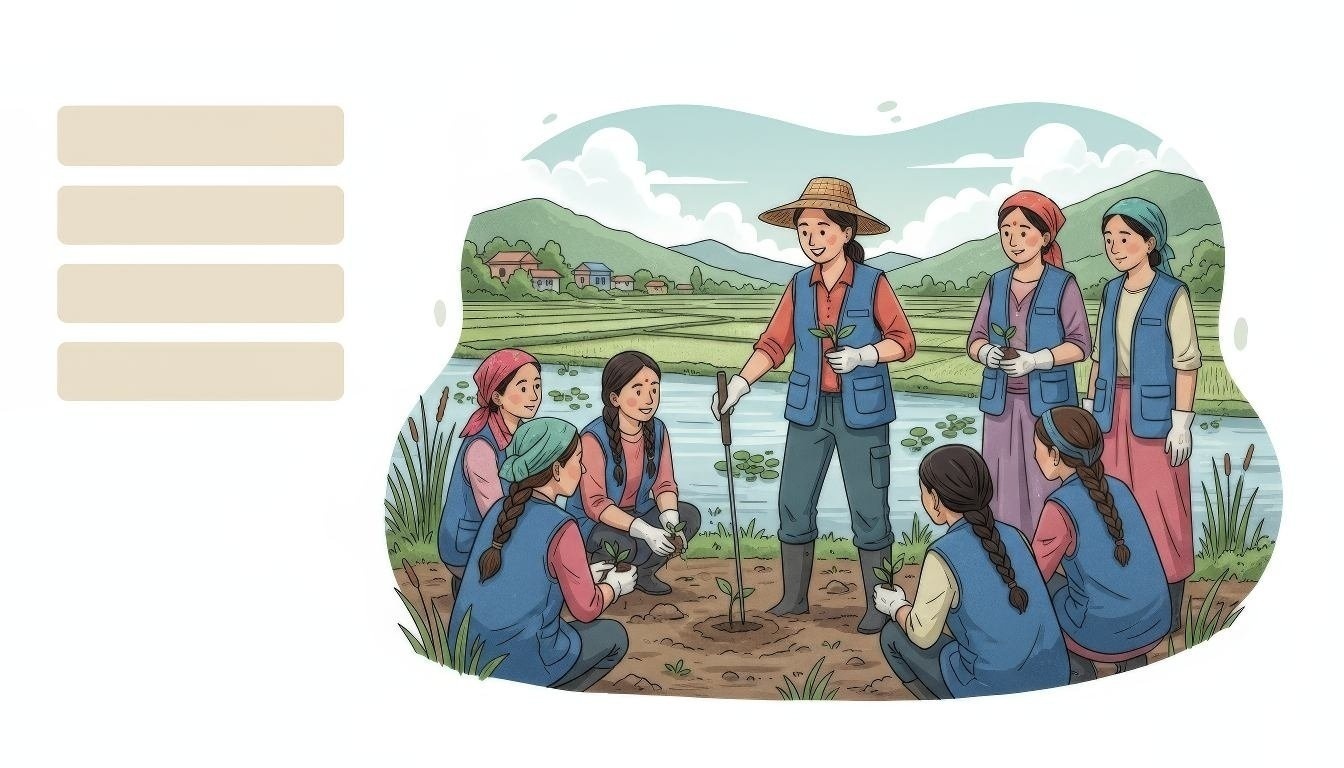
Community Workshops: Regular hands-on training sessions teaching wetland operation, maintenance, and monitoring
-
การฝึกอบรมชุมชน: การอบรมเชิงปฏิบัติการเป็นประจำสอนการดำเนินงาน การบำรุงรักษา และการตรวจสอบพื้นที่ชุ่มน้ำ
-
School Programs: Educational curriculum development and field trips for students at all levels
-
โปรแกรมโรงเรียน: การพัฒนาหลักสูตรการศึกษาและทริปศึกษาดูงานสำหรับนักเรียนทุกระดับ
-
Technical Exchange: Knowledge sharing with government agencies and academic institutions
-
การแลกเปลี่ยนทางเทคนิค: การแบ่งปันความรู้กับหน่วยงานราชการและสถาบันวิชาการ
-
Demonstration Sites: Open facilities showcasing natural treatment technology for visitors and potential adopters
-
สถานที่สาธิต: สิ่งอำนวยความสะดวกแบบเปิดแสดงเทคโนโลยีการบำบัดตามธรรมชาติสำหรับผู้เยี่ยมชมและผู้รับเทคโนโลยีที่อาจเป็นไปได้
-
Participatory Monitoring: Community members trained to collect water quality data and track biodiversity
-
การตรวจสอบแบบมีส่วนร่วม: สมาชิกชุมชนได้รับการฝึกอบรมเพื่อเก็บรวบรวมข้อมูลคุณภาพน้ำและติดตามความหลากหลายทางชีวภาพ