The Living Engines of the Park
The heart of the Water Upcycling Botanical Park is its carefully selected flora. These hardworking plants are not just for beauty; they are the biological engines driving the phytoremediation process, actively removing nutrients and purifying the water.
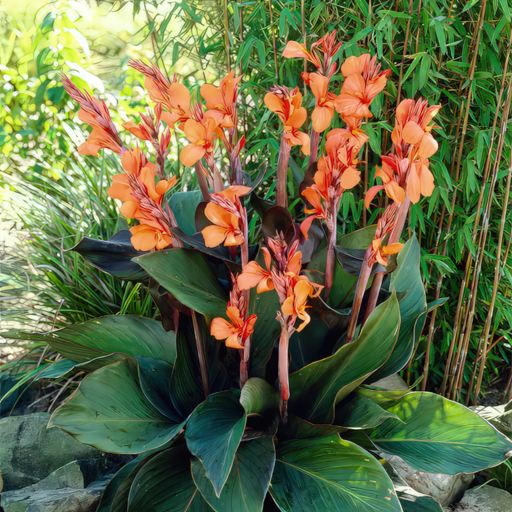
Canna Lily
Canna indica
A powerhouse of phytoremediation, Canna Lilies have extensive root systems that are highly effective at absorbing excess nitrogen and phosphorus from the water, which are the primary pollutants in wastewater.
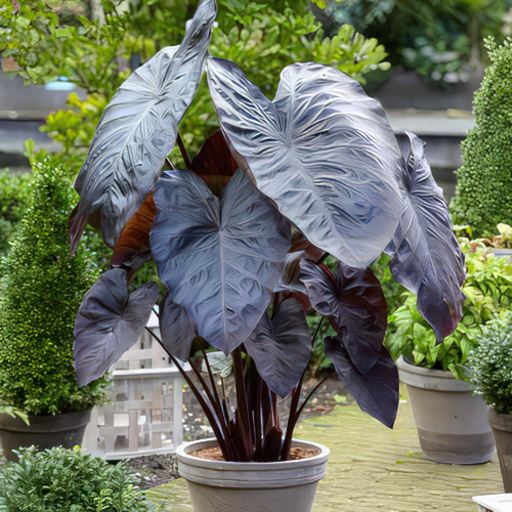
Elephant Ear
Alocasia / Colocasia
With their massive leaves, these plants are excellent at transpiring water and their dense root structures provide a huge surface area for beneficial microbes to colonize, which break down organic compounds.
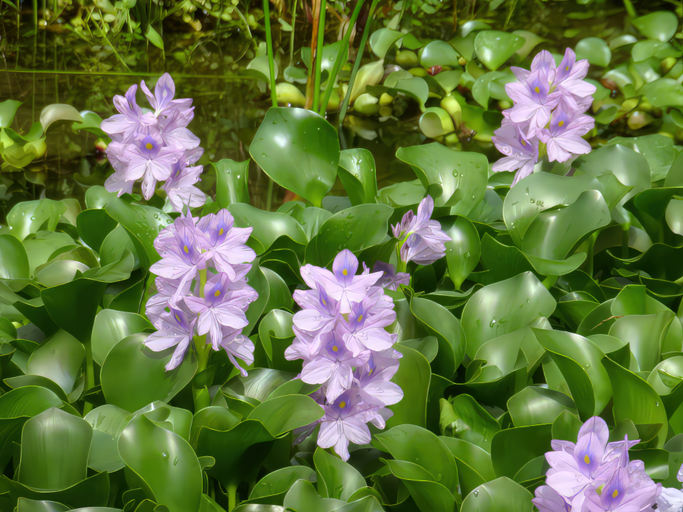
Water Hyacinth
Eichhornia crassipes
A floating aquatic plant known for its rapid growth and incredible ability to absorb heavy metals like lead, mercury, and cadmium, effectively locking them away in its biomass.
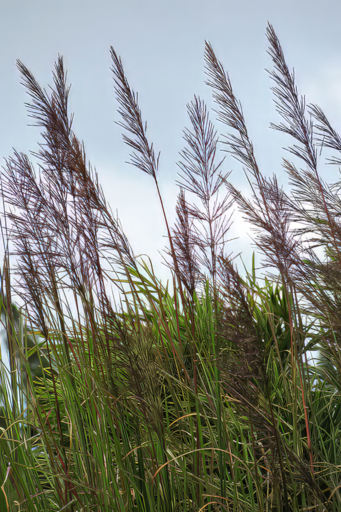
Vetiver Grass
Chrysopogon zizanioides
This grass develops a massive, fine, and deep root system that is unparalleled for filtering suspended solids and trapping sediment, leading to a dramatic increase in water clarity.
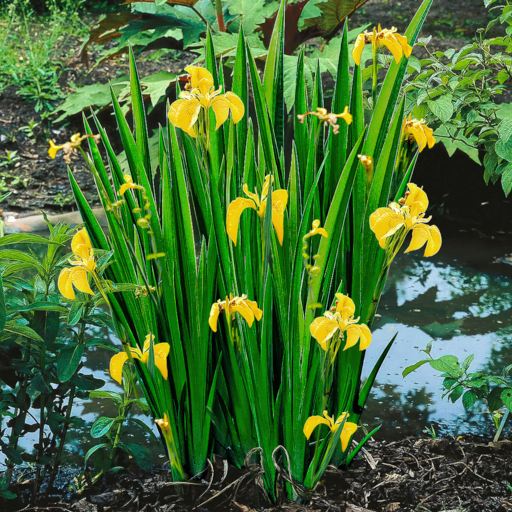
Water Iris
Iris pseudacorus
With striking flowers and sword-like leaves, the Water Iris adds immense aesthetic value. Its dense root network also contributes significantly to filtration and provides stable habitat for microorganisms.
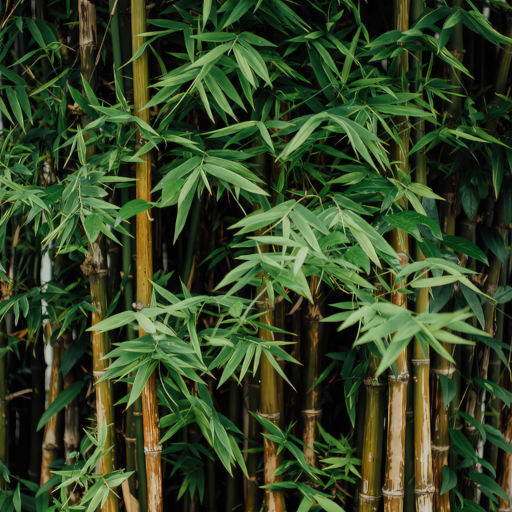
Bamboo
Bambusoideae
As one of the fastest-growing plants in the world, bamboo is a voracious consumer of nutrients, particularly nitrates. It's an excellent choice for the final stages of the wetland to "polish" the water.
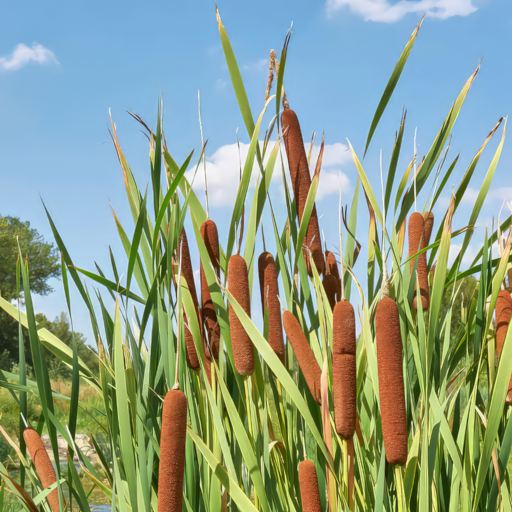
Cattail
Typha latifolia
A classic wetland plant, Cattails are excellent at removing dissolved nutrients. Their tall, robust structure provides a physical barrier, slows water flow, and offers prime habitat for birds and dragonflies.
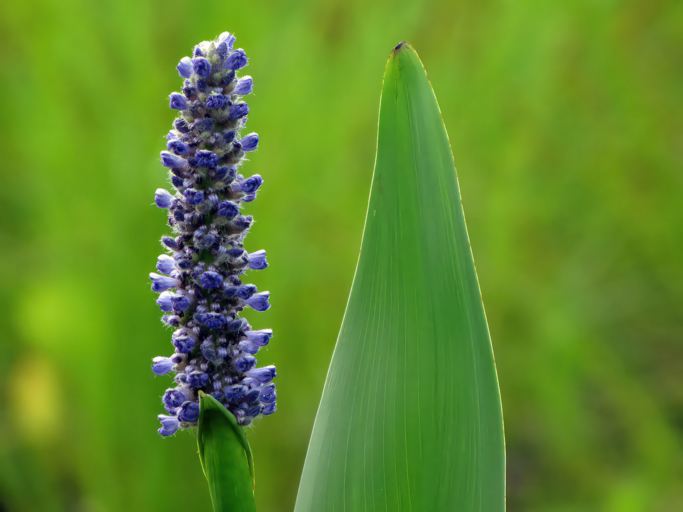
Pickerel Weed
Pontederia cordata
This emergent plant produces beautiful spikes of purple flowers, making it a magnet for pollinators like bees and butterflies. It is a hardy and reliable plant for nutrient uptake in shallow zones.
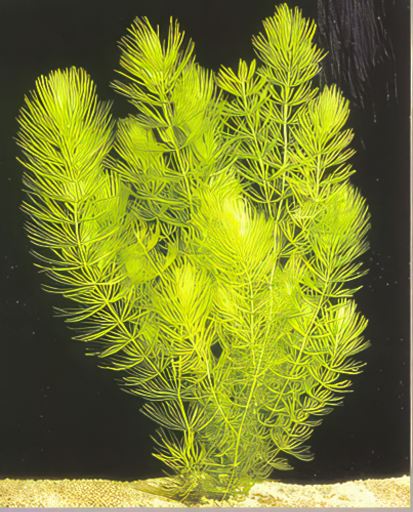
Hornwort
Ceratophyllum demersum
A submerged "oxygenator" plant that is a true workhorse. It grows quickly, absorbing nutrients directly from the water column, which starves out algae and leads to exceptionally clear water.
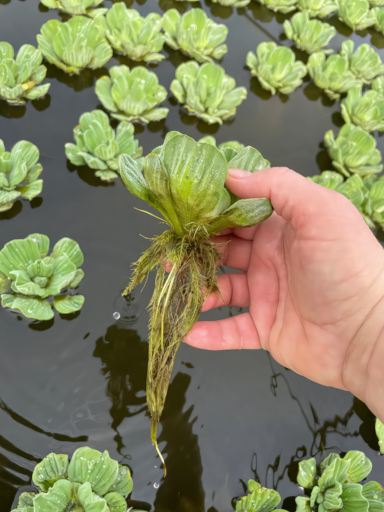
Water Lettuce
Pistia stratiotes
This floating plant forms attractive rosettes on the water's surface. It provides excellent shade to prevent algae and its dangling roots offer shelter for fish fry and absorb free-floating nutrients.
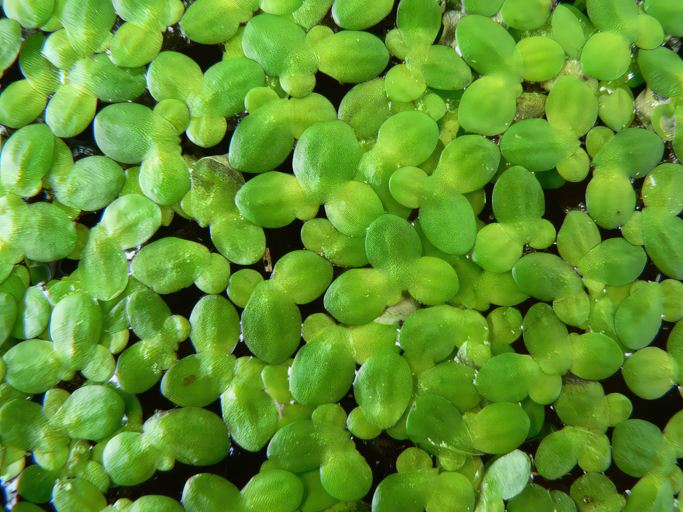
Duckweed
Lemna minor
The world's smallest flowering plant, Duckweed forms a dense green carpet that completely blocks sunlight, shutting down algae growth. It is a nutrient sponge and can be harvested as a high-protein animal feed.